Kamoga-iso, Iwami Town, Tottori Prefecture
Uradome Coast and Kamoga-iso I came to photograph the sea, but my first shot was of sand
The drive from Tokyo takes about 8 hours. At the end of that long journey, I walked down a trail to a small beach surrounded by sea arches. The waves sounded close, the water was clear, and even the grains of sand seemed to sparkle. After my first visit, I wanted to see how the beach changed with the seasons. In the end, I drove to San’in 4 times in all.
Each season brought a different place to pause on the beach and something different to the table.
SpringApril
I came for sea photos, but my first shot was sand
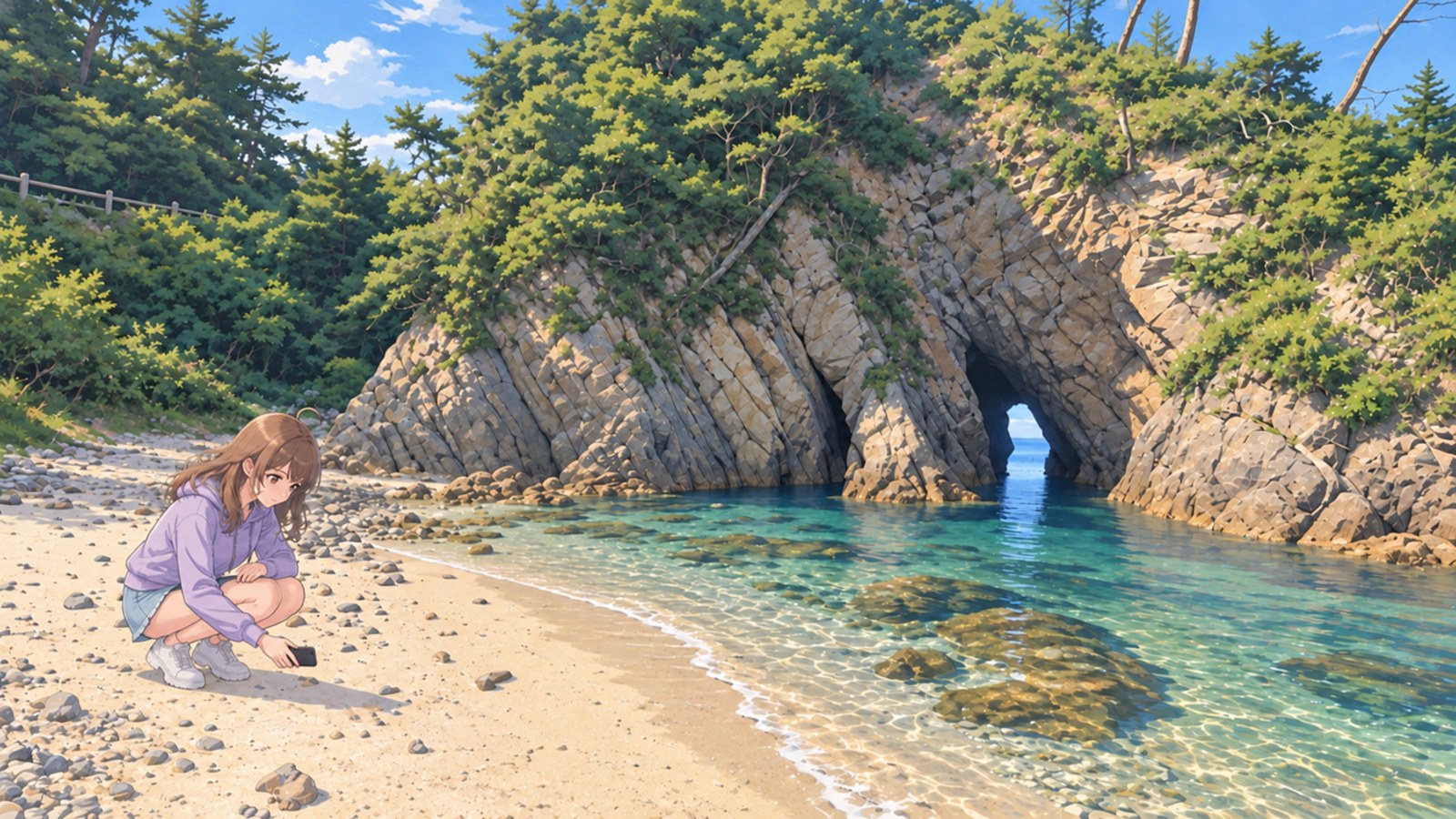
I stepped off the last step of the trail onto the sand, and I felt surprisingly coarse grains under the soles of my sneakers. The grains were much bigger than I’d expected. It was around 10 a.m. on the second day of a 2-night spring trip around San’in. The day before, I’d driven nearly 8 hours from Tokyo to Tottori on the expressway in my red convertible. After that long drive, I filled my lungs with the beach air, and the roar of the highway still in my ears gradually gave way to the sound of the waves.
I’d come to photograph the clear sea at Uradome Coast, but I couldn’t take my eyes off the grains sparkling at my feet. When I crouched down, I saw little stones mixed in with the sand. I tugged at the sleeve of my lavender hoodie, rested my left hand on my knee, and aimed my phone at the sand with my right. The ground beneath me filled the screen. My first photo at the coast was nothing but sand—what was I thinking? But this was what I wanted to capture most right then.
I’d heard that coarse quartz was mixed into the sand at Kamoga-iso. Those sparkling grains were probably quartz. As I tilted my phone little by little, different grains caught the light. It was so much fun that I played with the sand for a while.
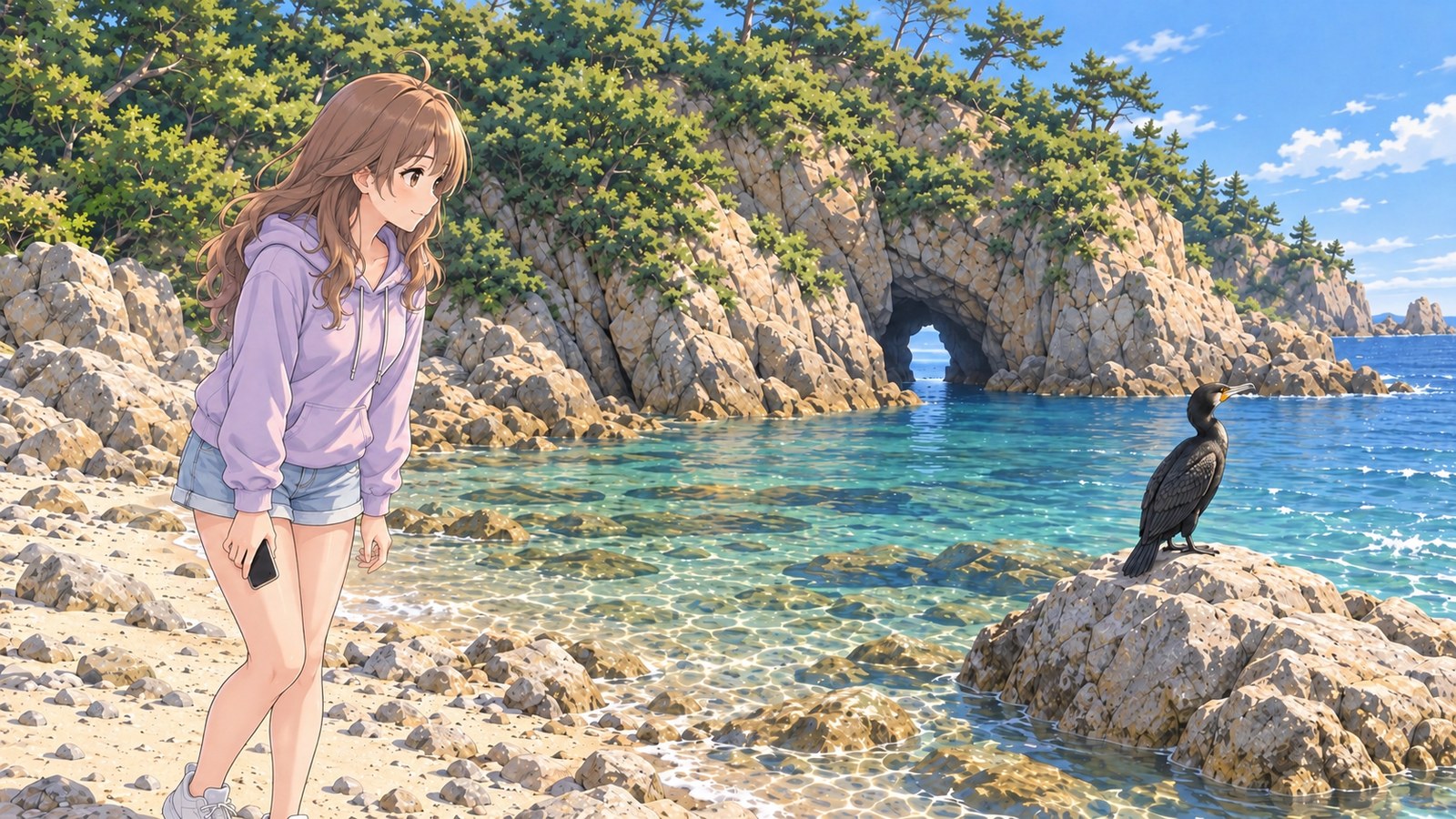
When I looked up, I could see stones beneath the shallow water, too. Beyond them was a cliff scored with diagonal cracks, with the sea peeking through a narrow gap. I stood up and turned my phone toward the water, ready to photograph the sea this time. The shallows were even clearer than I’d imagined; I could see the wave patterns on the sand below. Before I knew it, I was photographing the sand underwater. I’d come to take pictures of the sea, yet somehow I’d ended up back at the ground beneath my feet. I had to laugh at myself.
A black bird was perched on a rock. Maybe a cormorant. I’d heard that you can sometimes spot ducks and cormorants at Kamoga-iso. The way it sat perfectly still, facing the sea, reminded me of how I’d been crouched over the sand a moment earlier, and I gave a little laugh. The cormorant glanced at me, then turned back toward the water. It looked like it was telling me to leave it alone. I whispered, “Sorry,” and moved away without making a sound.
At the far end of the beach, little coastal plants were beginning to sprout between the rocks. I didn’t know their names, but I’d heard you can see different coastal plants here in each season, so I took just one photo to compare with whatever I find next time.
For lunch, I went to Ajiroya, a restaurant inside the sightseeing boat terminal. Mosa shrimp is in season in spring, and I caught it just in time. Its rich sweetness lingered on my tongue, and I closed my eyes without meaning to. I might drive all the way back to San’in next spring just for that taste.
After lunch, I checked my phone. The first few shots were all sand; the sea photos came much later. I was already trying to think up an excuse for anyone I showed them to.
SummerJuly
A grown woman, chasing waves
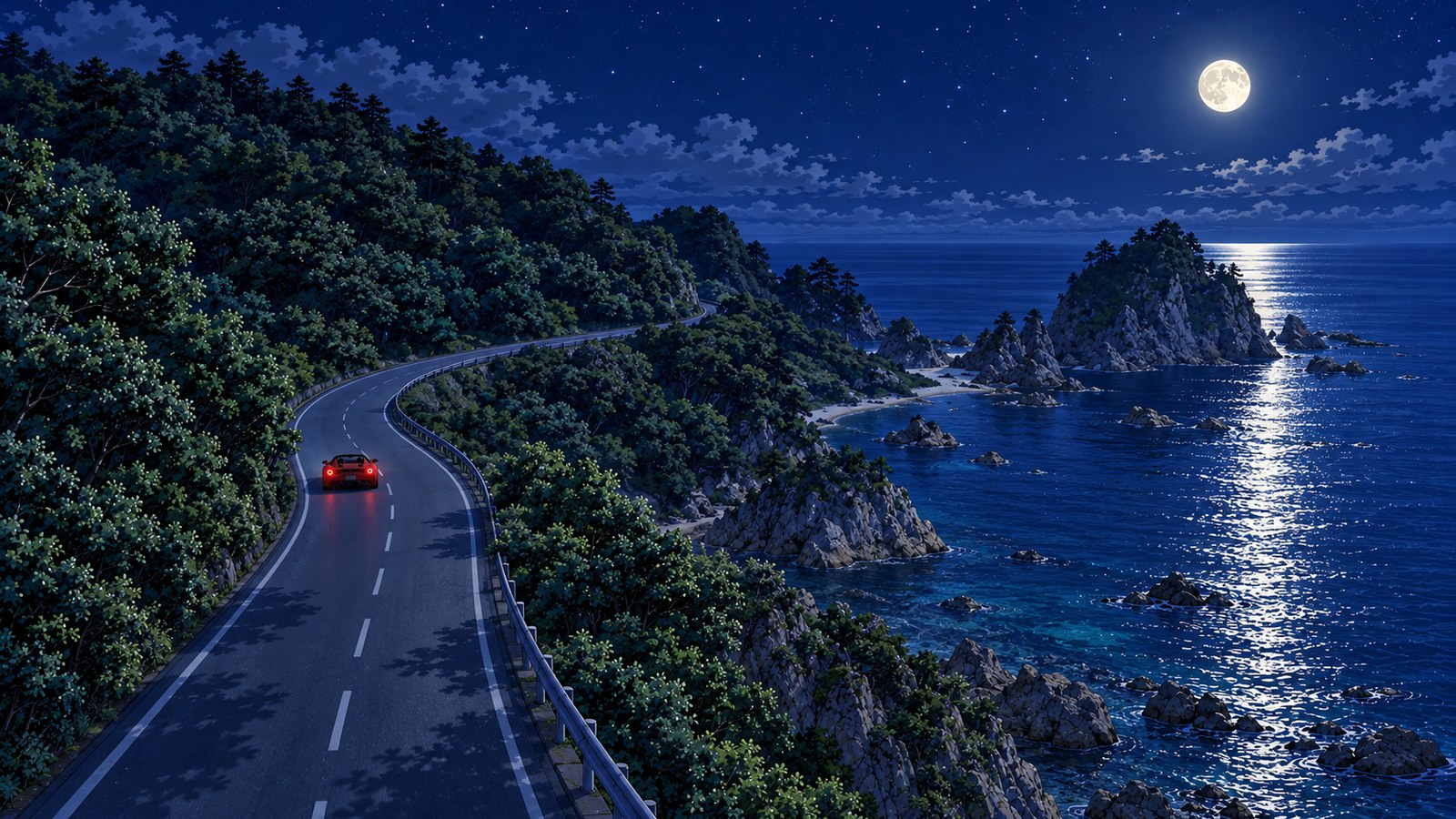
Maybe the beach would still be quiet early in the morning. On the second day of a 3-night trip around San’in in July, I left the inn early and headed to Kamoga-iso along Prefectural Route 155. The road twisted through a wooded hill. At every bend, the morning sea flashed through gaps in the trees. I wanted to look, but kept my eyes on the road. Instead, I put the top down and drove with the salt air and wind filling the car. I was just as eager to reach the beach as I was for the road to go on a little longer.
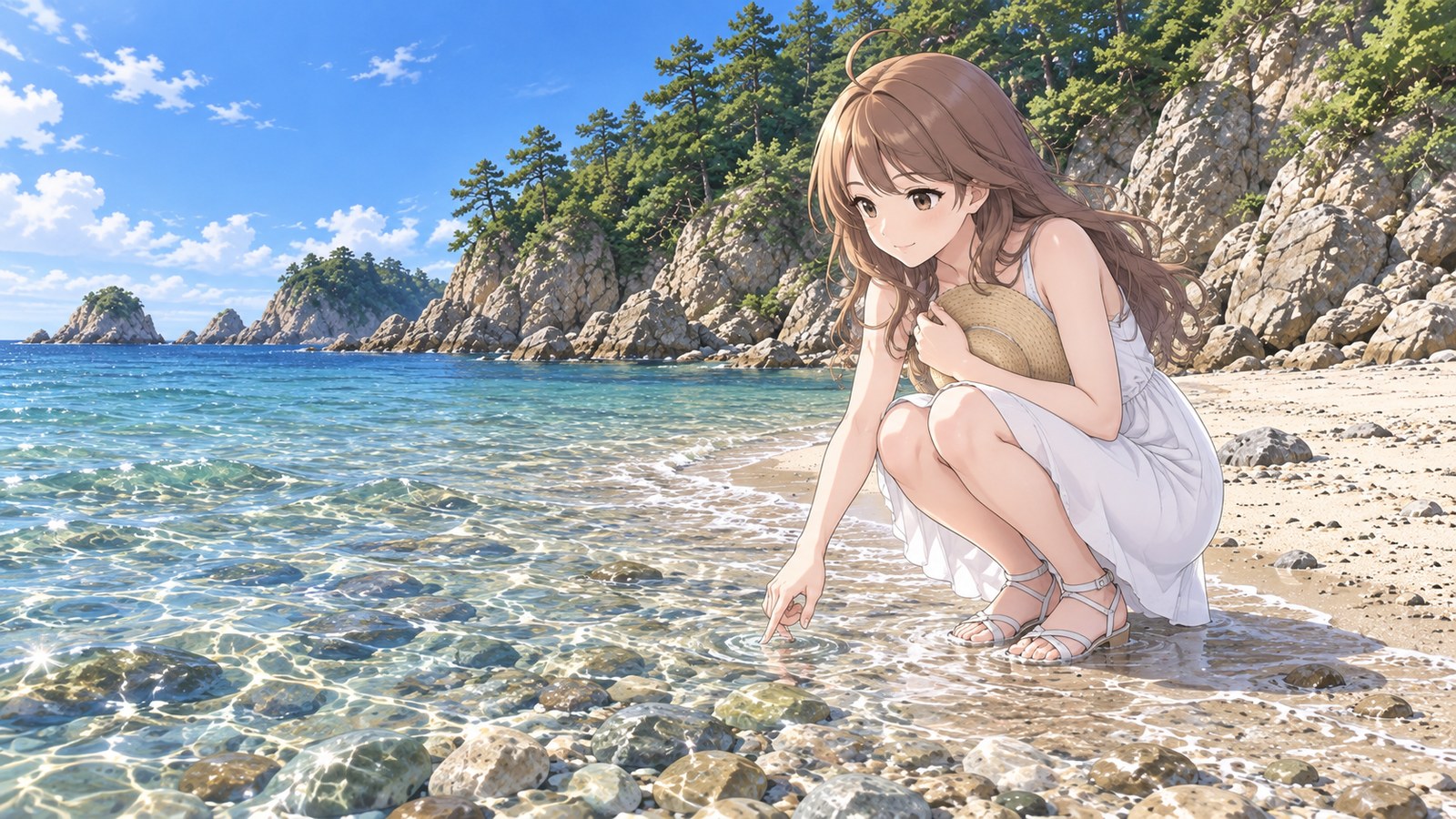
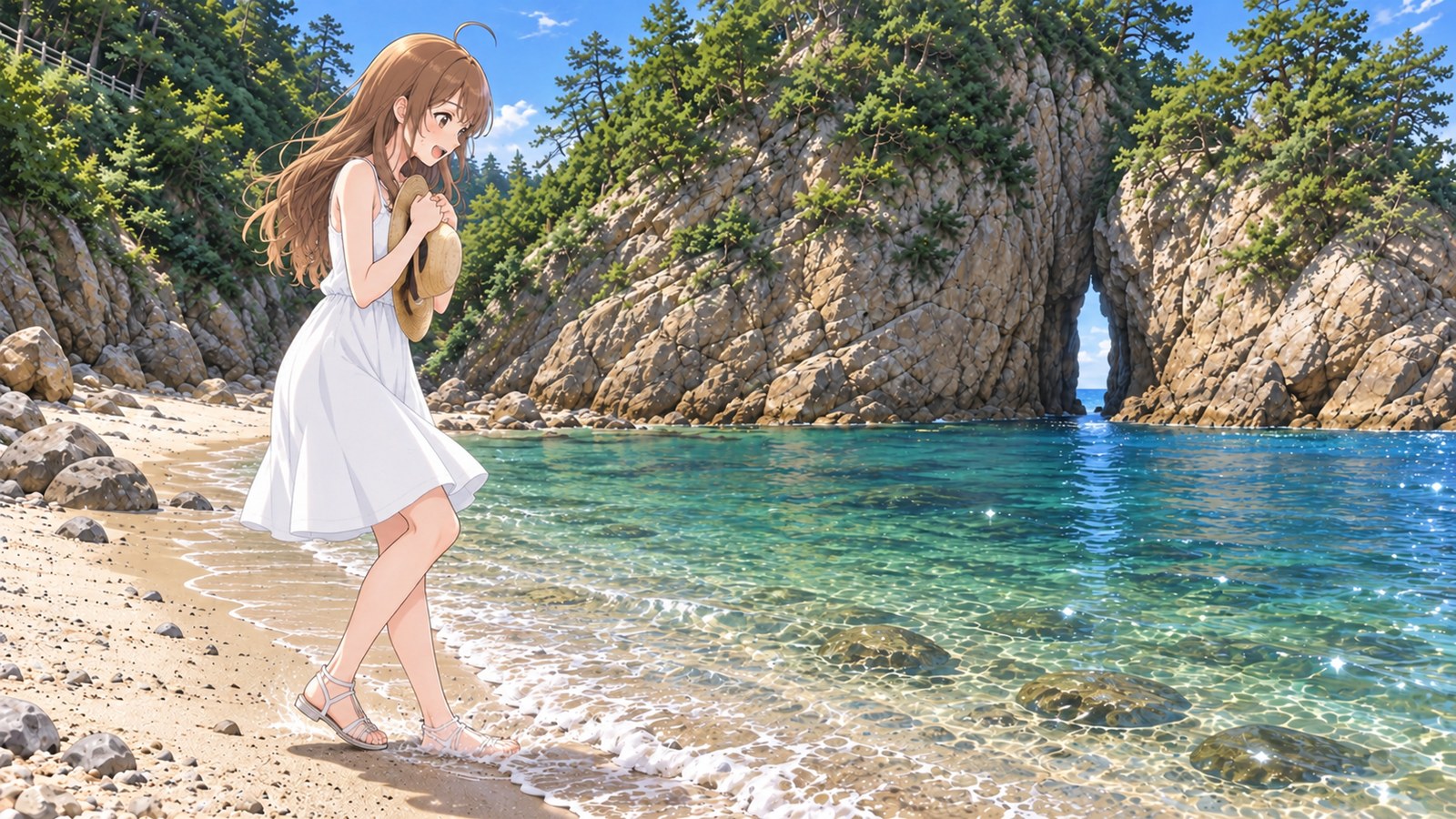
I parked the car and followed the trail down to the beach, where I could hear the waves right beside me. My white dress fluttered in the breeze, and I held my straw hat with both hands against my chest. The morning sun reached the bottom of the shallows, and the outlines of the stones underwater wavered with every wave.
When I got close to the water’s edge, a wave washed over the toes of my sandals. It was colder than I’d expected, and I pulled my foot back without thinking. I soon got used to it, though, and started enjoying the way the receding water tugged sand from around my feet. Still hugging my hat to my chest, I stepped back when a wave came in, then forward again as it pulled away. A grown woman, chasing waves all by myself. I was glad the beach was still quiet.
The stones beneath the water came into sharp view only when a wave pulled back. I waited for that moment and looked at each one: round stones, flat ones, and ones worn smooth at the edges. Had the waves tumbled them all this way over a very long time?
Through a gap in the cliff, I could see a thin strip of sea beyond, a different shade of blue from the water in front of me. I’d heard that the sea arches and caves of Uradome Coast were carved by the rough waves of the Sea of Japan. The water was so calm now that I found myself wanting to look closely at how the edges of the gap had been worn away.
Kamoga-iso is the collective name for three beaches: Ko-Kamoga-iso, Tsubaki-dani, and Ō-Kamoga-iso. I’d always imagined Uradome Coast as one long sandy beach, but every cove has a different view. I thought I’d arrived early, but before I knew it the sun was already high, and I finally put on the straw hat I’d been holding to my chest. Under the shade of the brim, the glare softened, and I could pick out the different shades in the shallows even more clearly. Funny how a single hat can change the whole view.
For lunch, I went to Ajiroya inside the sightseeing boat terminal and ordered a wild Natsuki rock oyster. I spent a while choosing between it and the white squid, one of the “Iwami Eight Treasures,” but went for the one with the shorter season. It slipped from its shell into my mouth, and its plump flesh burst with a deep taste of the sea. I wondered if this was what the clear water I’d been looking at tasted like.
Before opening the car door, I brushed the sand off my sandals. The large grains stuck between my toes were stubborn. Once I remembered that the sand contained quartz, I slowed down a little as I brushed. In the end, I got into the car with a few grains still in my sandals.
AutumnOctober
Even after taking the shot, I kept looking through the gap in the rocks
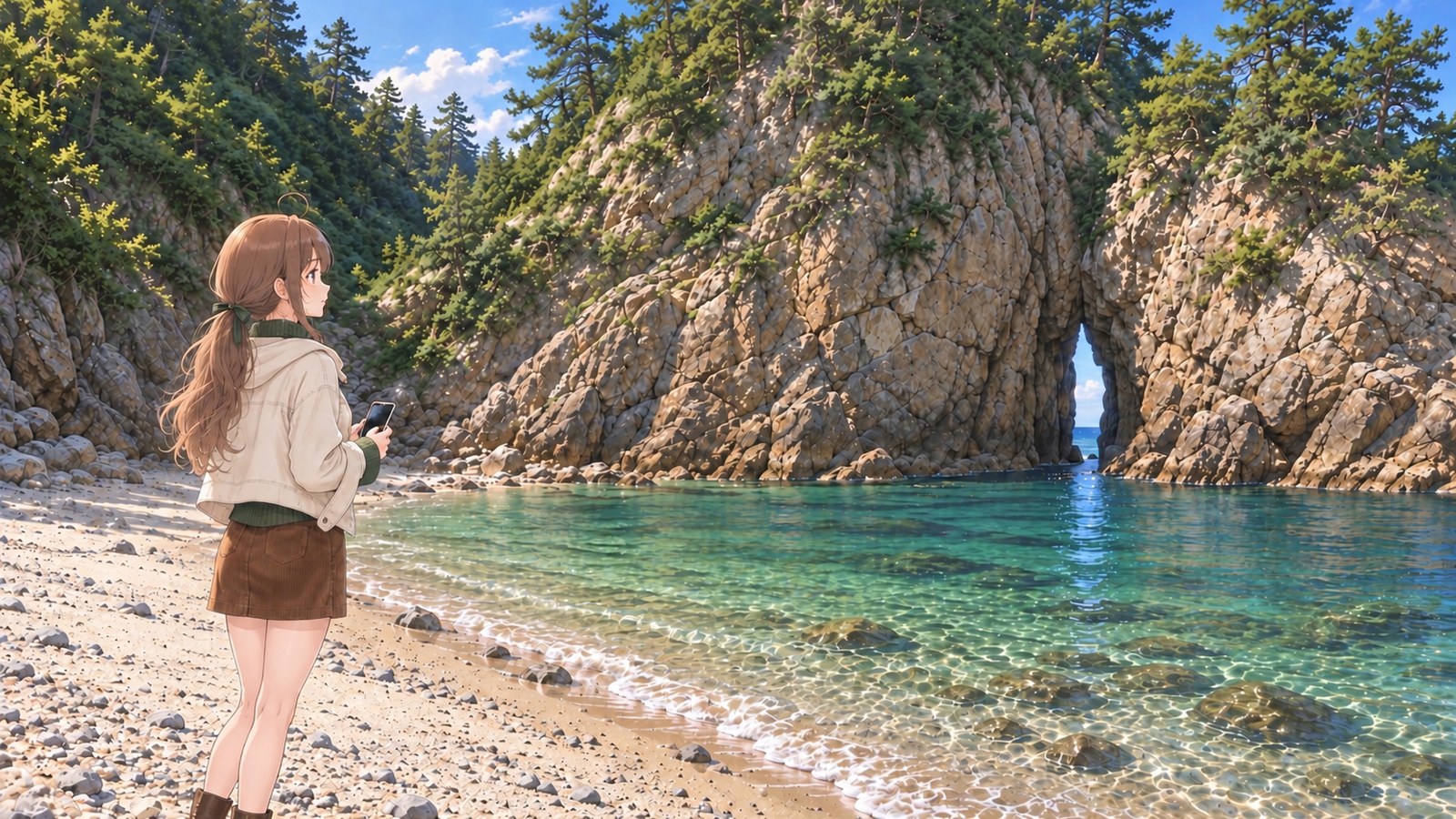
That narrow strip of sea between the rocks I saw in summer—what would it look like in autumn light? That was my only reason for coming back to San’in in October. I came from Tokyo in my red convertible for a 2-night trip. On the afternoon of day 2, I went to Kamoga-iso. Down the trail, the beach was waiting, much quieter than in summer.
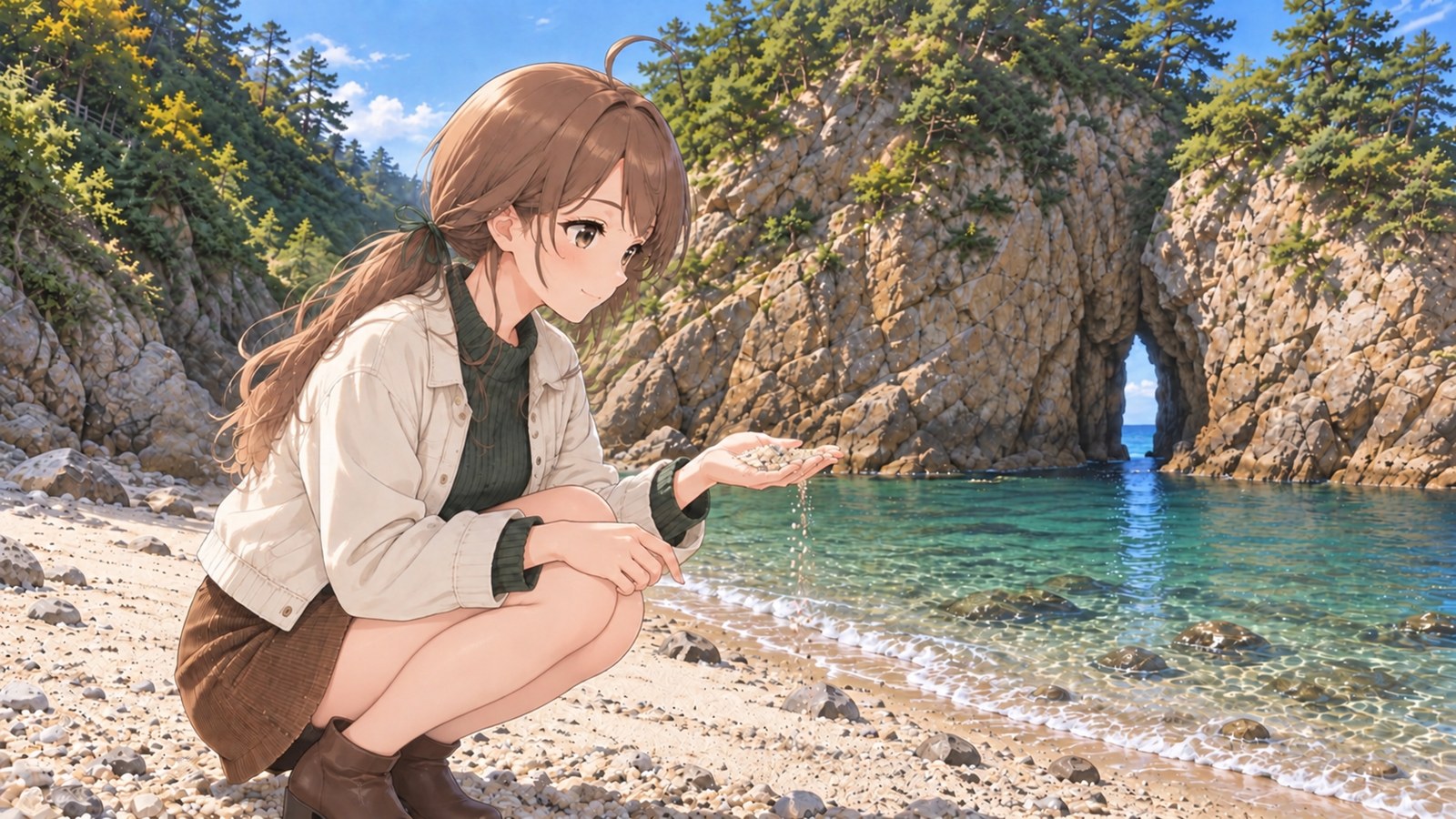
I wore a deep green sweater and a short cream jacket, with my hair tied low. At around 3 p.m., I stood at the water’s edge and tried photographing the gap in the rocks. Light rippled across the shallows, and I could see the fine cracks in the cliff. When I checked the photo, the sea beyond the gap was there, small but clear. Still, looking at the screen made me want to see what lay beyond with my own eyes. I lowered my phone to my waist and turned my face and shoulders toward the rocks.
I could see only a thin sliver of the sea beyond, but my eyes kept returning to it. I started to move my finger for another shot, then stopped. Instead of taking more pictures, I wanted to watch the light shifting across that narrow strip of sea.
I followed the cracks in the cliff one by one with my eyes. Several diagonal lines crossed each other, and in places the rock had chipped along them, leaving deeper shadows. I’d heard that waves from the Sea of Japan and winter monsoon winds had worn away the granite at Uradome Coast along its cracks and faults. The sea arches and detached rocks formed the same way. Just as I’d heard that summer, the narrow opening in front of me wasn’t just a gap; it was a passage the waves had opened over a very long time.
I crouched down and scooped some sand into my palm. Clear grains were mixed with milky-white ones. I’d heard that the sand here contains a lot of feldspar and quartz, minerals that make up granite. So the sand and the cliff in front of me had once been the same rock. I kept looking from the cliff to the sand in my palm and back as it slipped through my fingers. The rock was slowly turning into sand, and now some of it was in my hand. After that, ordinary sand looked like it was still in the middle of a very long journey.
The wind picked up, and I pulled my jacket closed. Even in October, the wind coming off the Sea of Japan was a little cold. In winter it would blow harder, hitting the rocks thousands upon thousands of times. Maybe the calm beach I saw that day was only one brief moment in a much longer story.
That night, the inn served Iwami’s makomotake. It was crisp and a little sweet, something like a bamboo shoot, but not quite. I was trying so hard to figure out how to describe the unfamiliar texture that my plate was empty before I knew it. I asked the inn staff to simmer the red flatfish for me. Its sweet-and-savory broth had soaked into the flesh, and I ate every bite with rice.
Before bed, I looked through the photos I’d taken that afternoon. The sea beyond the gap looked small, but the fine cracks in the cliff showed up clearly, and I remembered the order I’d traced them on the beach. I could almost still feel the grainy sand in my palm.
WinterFebruary
Listening until I could tell the waves coming in from the ones going out
Winter winds can be strong on the Sea of Japan, so the first thing I did on my 3-night February trip around San’in was wait for a calm day. I spent the first 2 days looking out at the sea from the inn window and wondering when the wind would ease. Finally, late in the morning on day 3, I headed to Kamoga-iso. Driving the red four-wheel-drive sedan I’d brought from Tokyo, I took the bends on Prefectural Route 155 much more slowly than I had in summer.
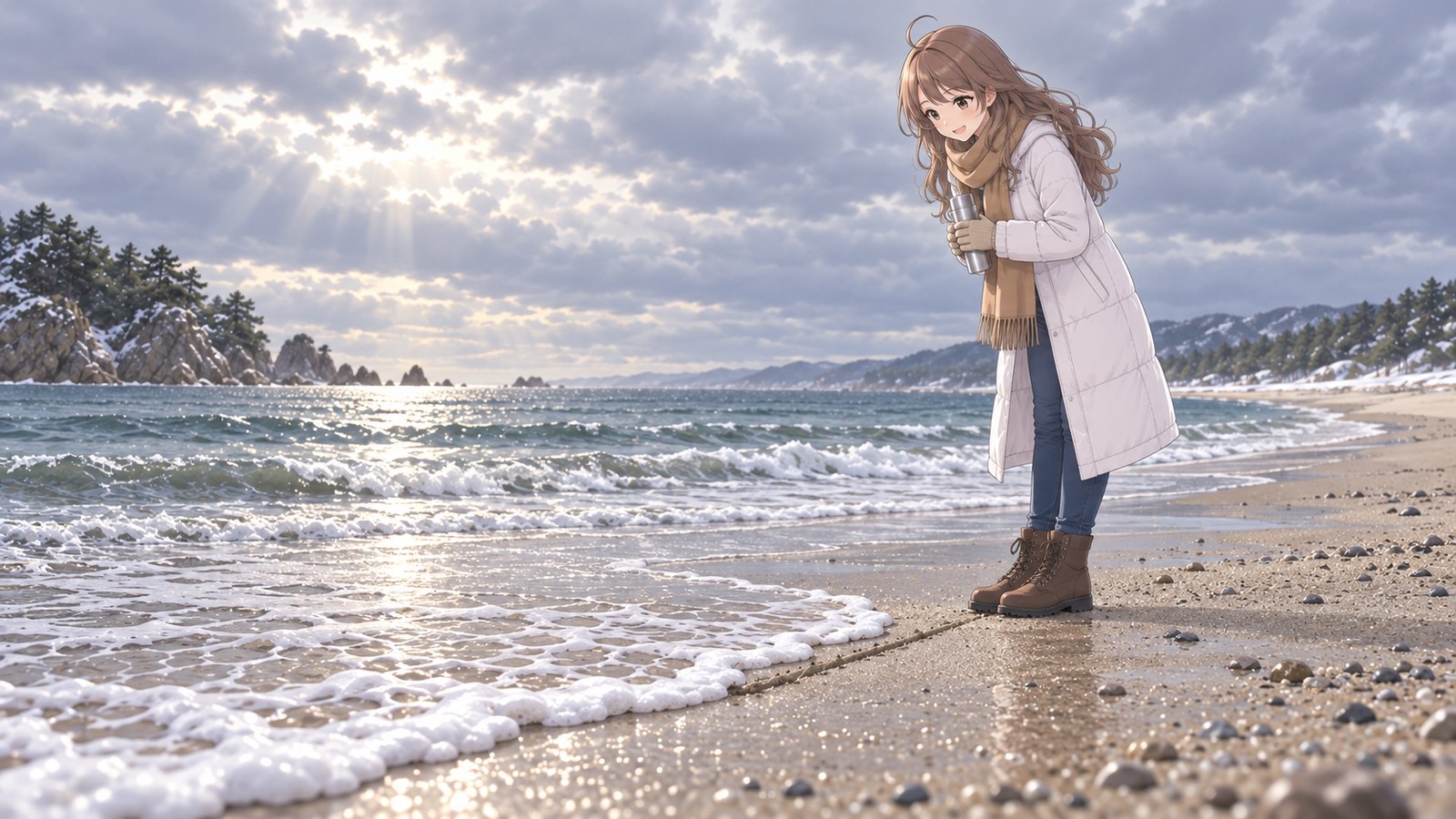
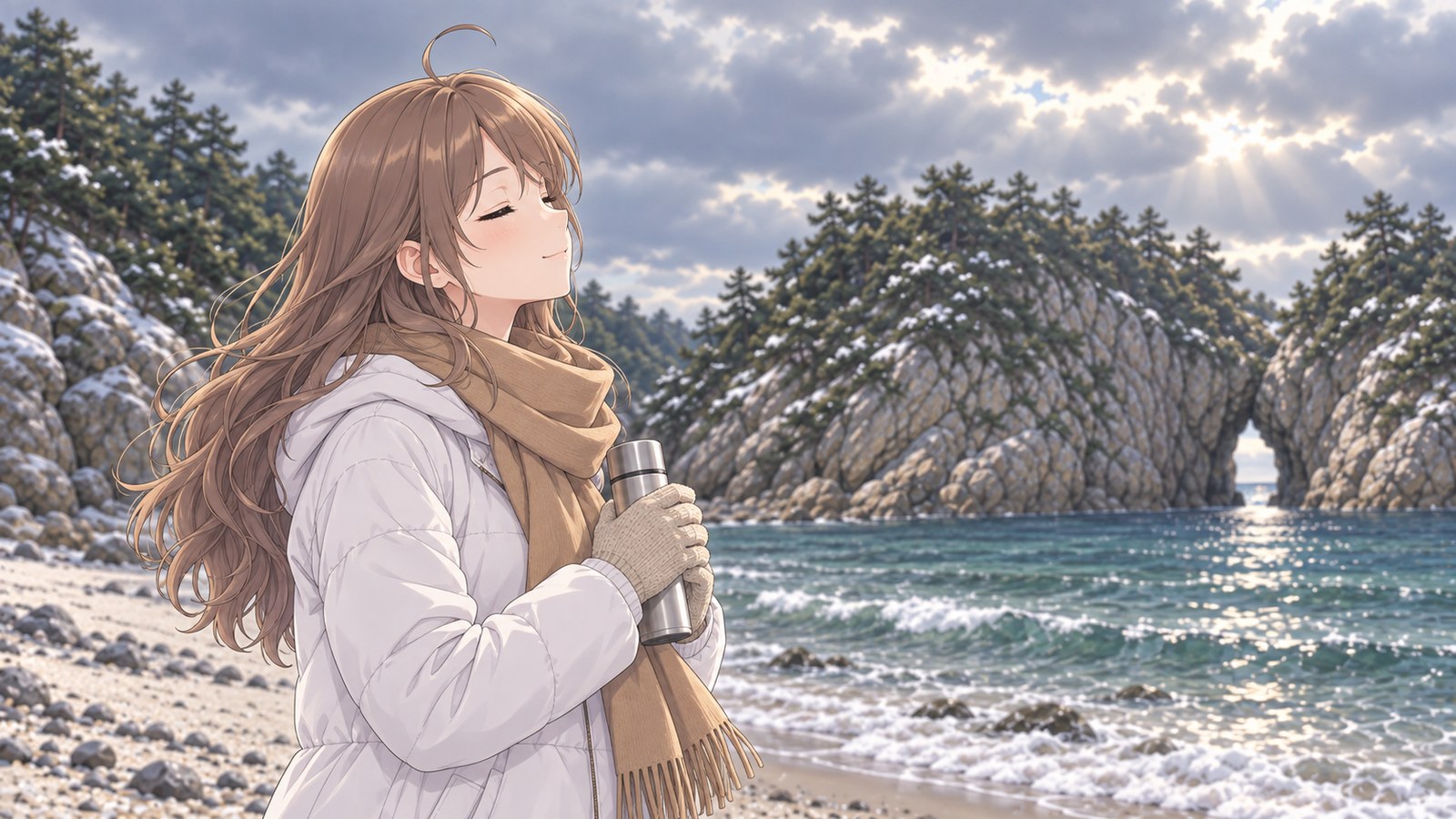
I parked and followed the trail down to the beach. I wore a white padded coat and a camel scarf. With a thermos in my gloved hands, I stopped on the dry sand and watched a thin line of foam wash in, then pull away. In summer I’d kept looking at the stones beneath the water; today, clouds were reflected on the surface, and the water near the rocks grew lighter and darker as it rippled. I was standing on the same beach, but looking at something different.
I wondered how far the foam would come. I drew a line in the sand with the toe of my boot to see whether a wave would cross it. The first wave fell short. The second came just shy of the line. The third crossed it a little, then pulled away. For some reason, I felt like I’d won.
The winter beach was much quieter than in summer. The only sounds were the waves and my own footsteps on the sand. I’d heard that the granite at Uradome formed about 30 million years ago, before the Sea of Japan existed, when this land was still part of the continent. The rock in front of me had been here before the sea. How many winters had it seen in those 30 million years? I tried to count, then gave up as soon as I got to all those zeroes.
When sunlight broke through the clouds, one patch of water lit up. The bright spot drifted slowly toward the sea arch with the waves. I’d thought winter seas would be darker, but there were moments when the light played across the water like this. I kept turning my head to follow it.
Before long, I noticed a rhythm in the waves. As they came in, they made a low sound, scraping the sand. As they pulled away, I heard the fine crackle of foam bubbles popping. Still holding the thermos to my chest, I closed my eyes and waited, listening. It’s pulling back now. I murmured it to myself and opened my eyes just as the foam was disappearing into the sand. I was right. No one was watching, but I couldn’t stop grinning inside my scarf.
Back in the car, I turned on the heater, and my stiff shoulders relaxed. I couldn’t see the sea through the window anymore, but the rhythm of the waves coming in and going out kept playing in my head.
That night at the inn, they had Iwami Matsuba crab on the menu in several dishes: boiled, in crab hot pot, grilled, or as sashimi. When they asked which I wanted, I counted the options off on my fingers until I couldn’t decide. In the end, I asked for boiled crab and crab hot pot. The meat slipped right out of the shell, and I blurted, “It came out!” I was embarrassed, so I went quiet and kept eating. It was so good I couldn’t talk. I was too full for the simmered babachan or babachan hot pot, so I’ve got a food assignment for next winter.
The story sections are fiction inspired by this location. For accurate information, please consult official tourism and information websites.
Uradome Coast by night
Photos of this place11 images
-
Kamoga-iso, Iwami Town, Tottori Prefecture · Spring
-
Kamoga-iso, Iwami Town, Tottori Prefecture · Spring
-
Kamoga-iso, Iwami Town, Tottori Prefecture · Summer
-
Kamoga-iso, Iwami Town, Tottori Prefecture · Summer
-
Kamoga-iso, Iwami Town, Tottori Prefecture · Fall
-
Kamoga-iso, Iwami Town, Tottori Prefecture · Fall
-
Kamoga-iso, Iwami Town, Tottori Prefecture · Winter
-
Kamoga-iso, Iwami Town, Tottori Prefecture · Winter
-
Kamoga-iso, Iwami Town, Tottori Prefecture · Uradome Coast by night (Summer)
-
Kamoga-iso, Iwami Town, Tottori Prefecture · Summer
-
Kamoga-iso, Iwami Town, Tottori Prefecture · Winter
Local foods to try on your trip
Natsuki Rock Oysters
Iwami’s summer delicacy is in season from June through August. I had Natsuki rock oysters for lunch on my summer trip; their plump flesh was rich with the taste of the sea.
Mosa Shrimp
One of the “Iwami Eight Treasures” from Iwami Town, this shrimp is in season from March through May. When I tried it for lunch in spring, its rich, velvety sweetness made me close my eyes.
White Squid
Iwami’s white squid is in season from June through November. In summer, I went back and forth between this and rock oysters, but saved it for another time. I’m planning to try it next summer.
Makomotake
Iwami’s makomotake is in season from October through November. It has a crisp bite, very little astringency or strong flavor, and a hint of sweetness. I tried it for dinner at my inn in autumn and got hooked on its unusual texture.
Matsuba Crab
Iwami Matsuba crab is in season from November through March. At my inn in winter, I had it boiled and in crab hot pot. When the meat slips cleanly from the shell, it makes me want to cheer.
Highlights
Water so clear you can see the stones
The shallows at Kamoga-iso are so clear that when the waves recede, you can see the shapes of stones beneath the water. Coarse quartz is mixed into the sand, and it sparkles in the sunlight—even at your feet.
Rock formations shaped by the sea
Waves from the Sea of Japan and winter monsoon winds have worn away granite along cracks and faults, shaping sea arches and detached rocks. The gaps in the cliff that let you glimpse the sea beyond are passages the waves slowly carved over a long time.
Road and place details
Getting here from Tokyo
- From Tokyo
- About 690 kmAbout 8 hours by car via the Shin-Tomei Expressway and other routes
- Expressway interchange (IC)
- Uradome IC (San’in Kinki Expressway)About 6 km and 10 minutes to the Kamoga-iso Viewpoint car park
- Route to the beach
- Prefectural Route 155Park your car and follow the trail down to the beach.
San’in Kaigan Geopark Trail, Course 8
- Total trail length
- 3.9km
- Elevation change
- About 90 m
This walking route connects the sightseeing boat terminal with the car park at Shirawara Coast, passing through Ajiro and Kamoga-iso.
Course 8 passes through Kamoga-iso and takes about 90 minutes to walk. I’ve been here 4 times, and each time I ended up gazing out at the sea from the beach. Next time, I’m planning to walk the trail.
More Spot Guides
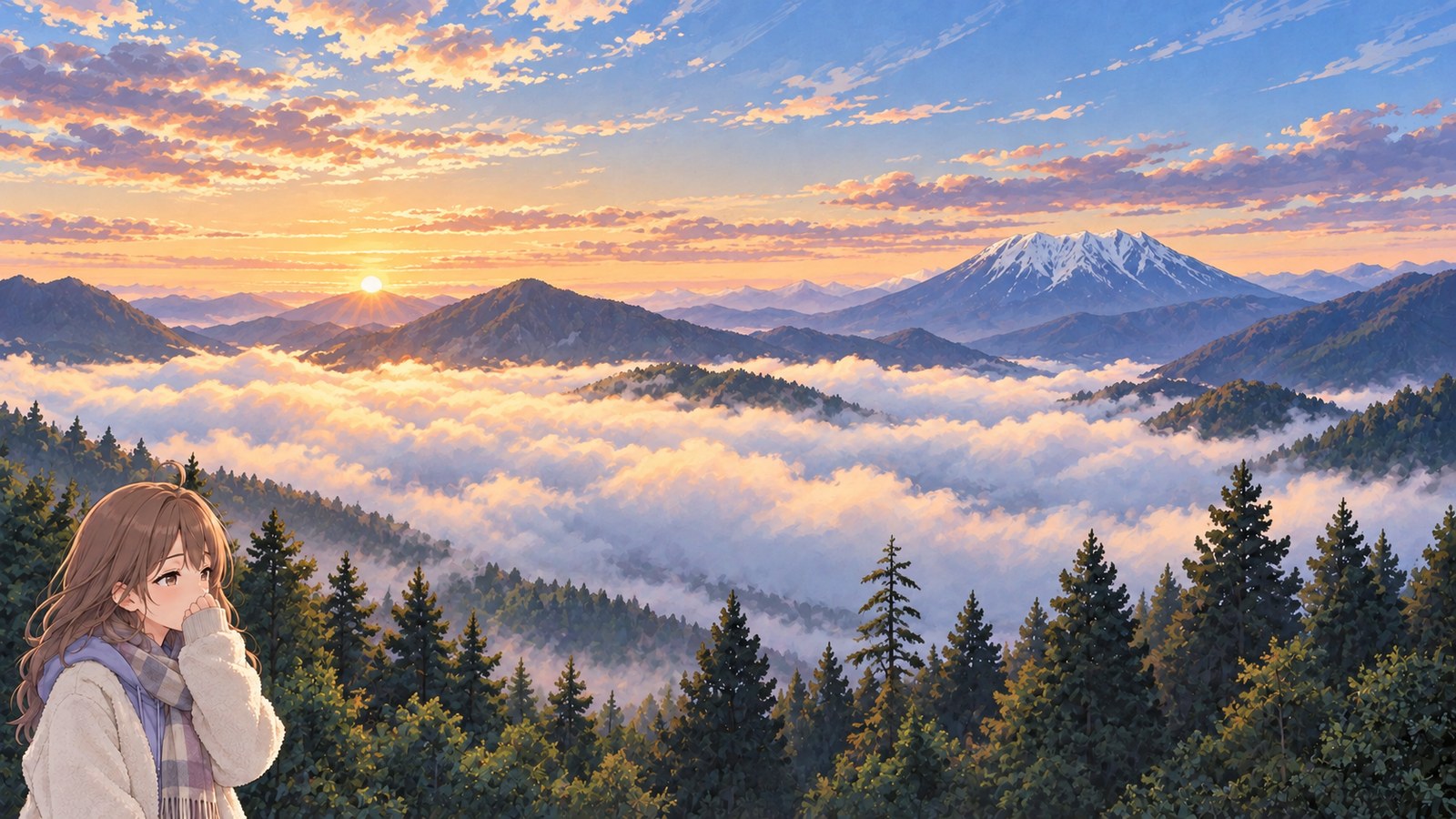
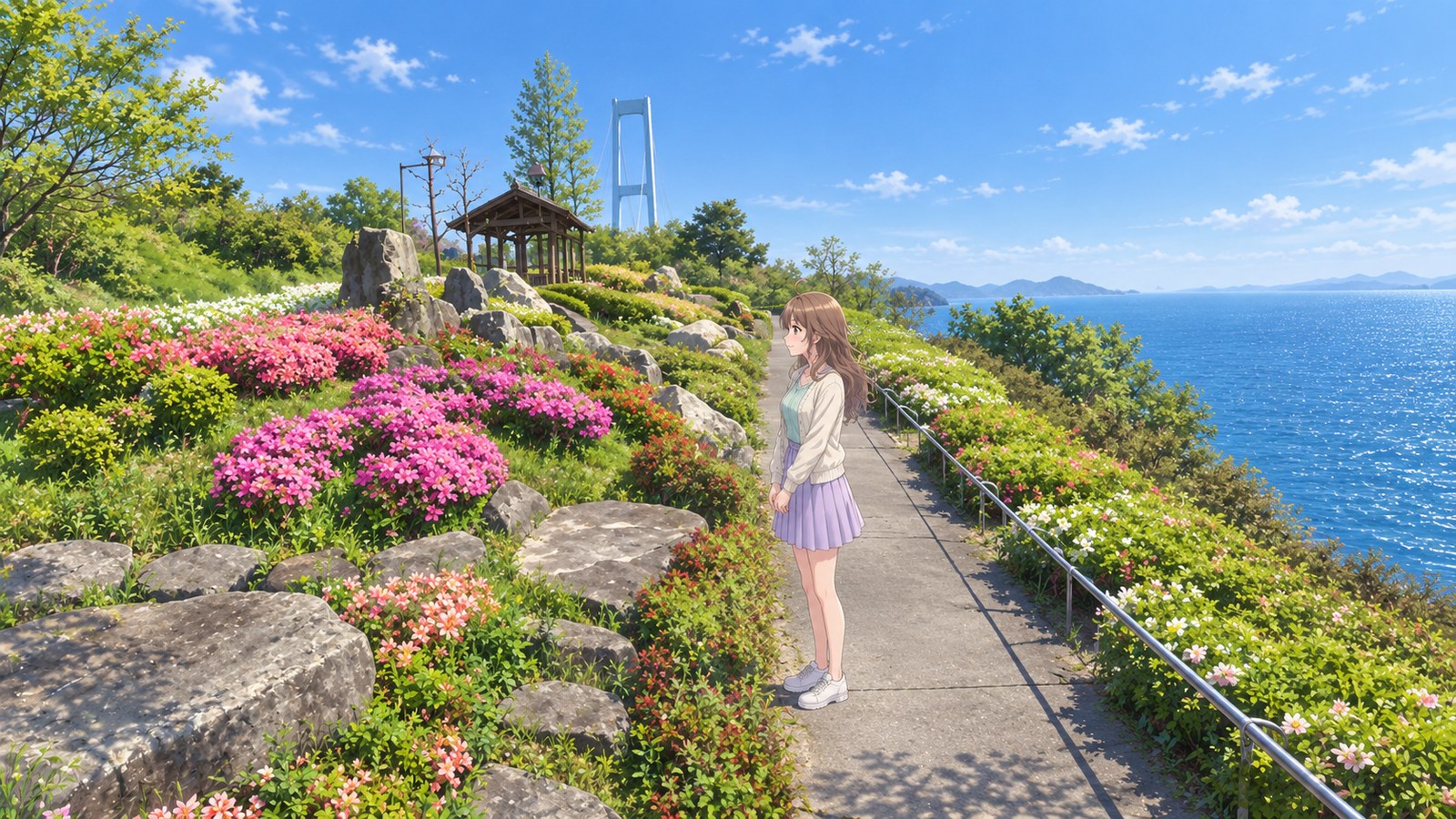
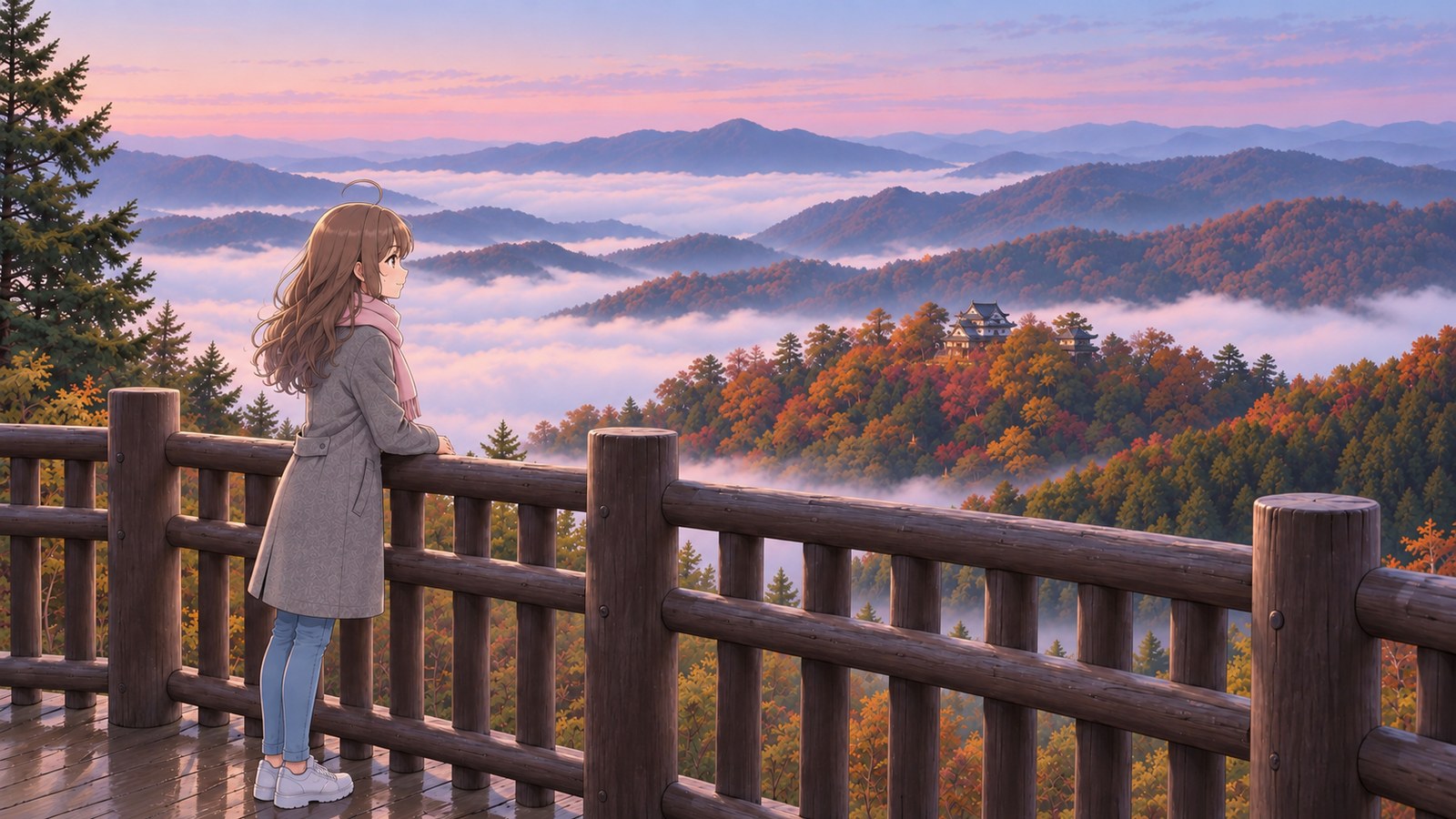
If you enjoyed this story, you might like these places too. I've gone back to each of them in different seasons, again and again.
Maps & Sources
Official sources
- Tottori Prefecture Tourism Federation: Uradome Coast (opens in a new tab)
- Iwami Town Tourism Association: Kamoga-iso (opens in a new tab)
- San’in Kaigan Geopark: Trail Course 8 (opens in a new tab)
- Iwami Town Tourism Association: Iwami Eight Treasures (opens in a new tab)
- Iwami Town Tourism Association: What We Recommend (opens in a new tab)
- San’in Kaigan Geopark: Around Uradome Coast (opens in a new tab)