Maebashi City and Mount Akagi, Gunma Prefecture
Mount Akagi and Lake Onuma Climb Prefectural Route 4, and a lake awaits at the top of the mountain
Lake Onuma on Mount Akagi is close enough for a day trip from Tokyo, yet every time I arrive, I feel as if I've travelled much farther. It's near enough to set off on a whim in the morning, and quiet enough to make me want to stay longer. That's why I keep coming back as the seasons change.
In spring, I walk the boardwalk listening for birds; in winter, I visit the shrine in the snow. It's the same lake, but the places I want to stop change with the seasons.
SpringLate May
Up Prefectural Route 4 by bike, then out to the lake ringed by fresh greenery and a boardwalk full of birdsong
Prefectural Route 4 climbs through one bend after another. I ease off the throttle just before each one and look toward the exit; the bike leans into the turn, then lifts itself upright. Whenever it all comes together, I find myself murmuring, “Yes,” inside my helmet. One morning in late May, I rode up from Tokyo for the day on my blue-and-white bike. The air grew cooler with every climb, and I kept thinking how glad I was that I'd zipped up my riding jacket.
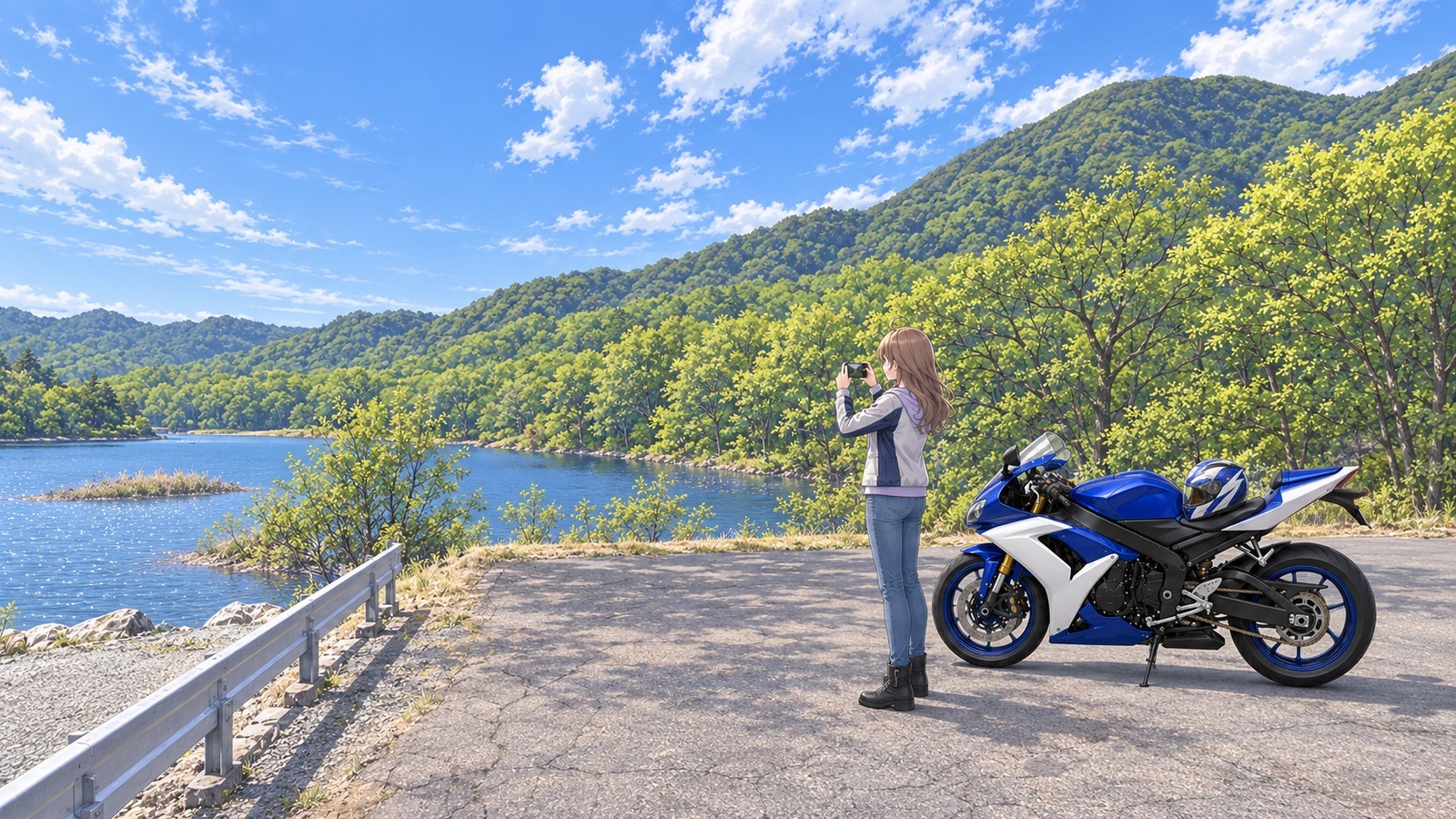
I parked my bike in a car park on the east shore of Lake Onuma and took off my helmet. Across the lake, mountains just beginning to leaf out stretched into the distance. Their shape must have been the same when I saw them in autumn, but now every leaf seemed lighter. The sky was so clear that I wished I'd planned to head home later. I'd only just arrived, and already I was worrying about the drive back. Talk about getting ahead of myself.
The surface of the lake flashed for a moment. I grabbed my phone, thinking, “I want to catch that.” The lake and mountains would have fit in the frame, but all I wanted to save was that one glint. I pointed the camera at the bright patch and took a single shot. If I took too many, I thought, I might not remember which one caught that moment.
I put my phone away and walked down to the shore. Tiny waves flickered between the stones. When I'd come in autumn, fallen leaves had bobbed on the water, but today there wasn't a single leaf floating there. Even what's on the surface changes with the seasons. I crouched and dipped my fingertips in; the water was much colder than I'd expected, and I pulled them right back out. In May, it still feels like winter beneath the lake's surface.
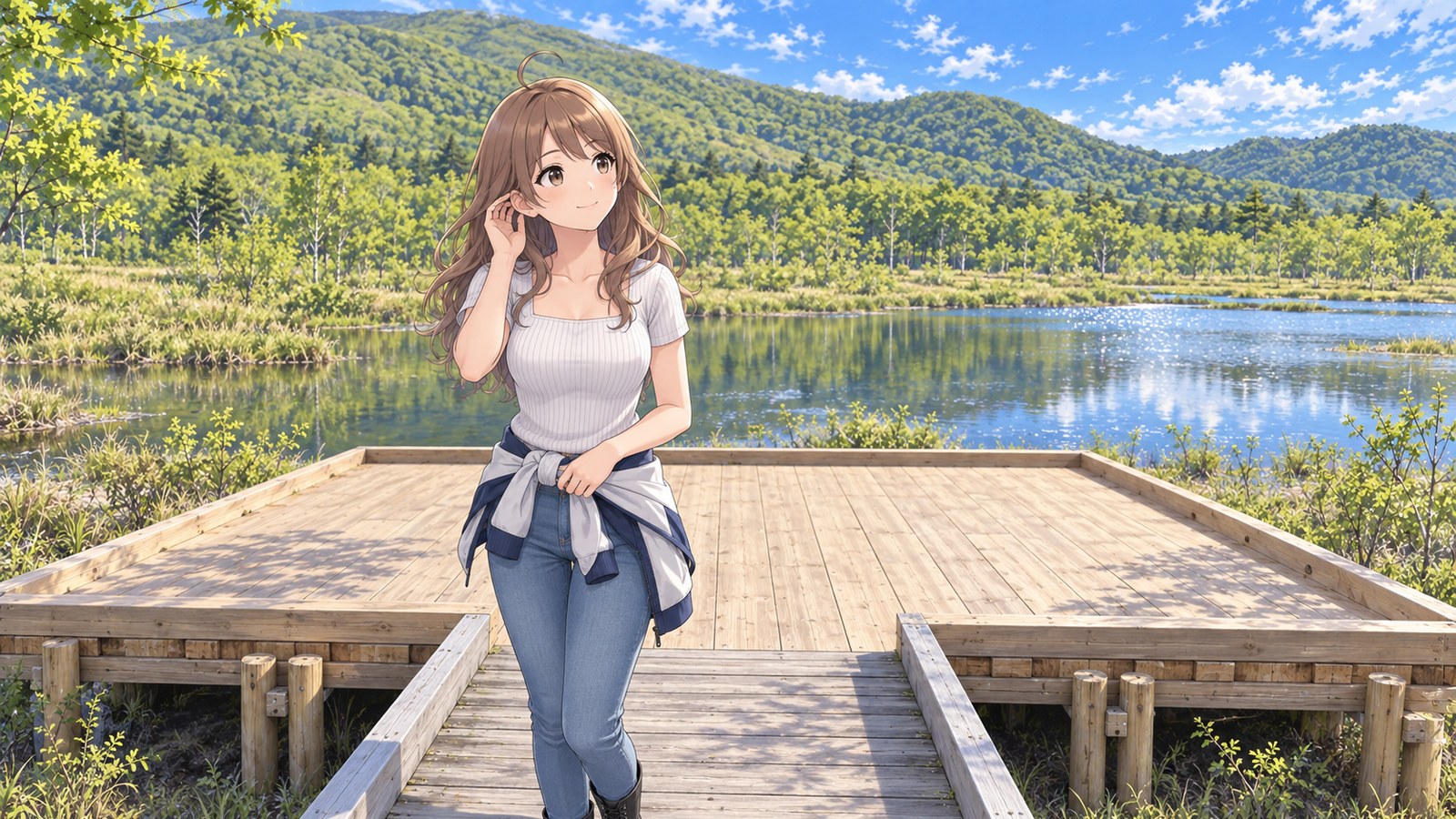
After the lake, I walked over to nearby Kakumanbuchi Marsh. I warmed up as I walked, so I tied my jacket around my waist. The boardwalk was rebuilt in autumn 2024, and there are no steps between the entrance and the observation deck, so it's easy to walk in boots. The boards tapped beneath my feet, and young leaves, still soft-looking, peeked through the grass. I'd heard the loop takes about 30 minutes, so today I decided to spend more time standing still at the observation deck than walking around.
I listened closely from the deck. Somewhere, a bird was singing. I tucked my hair behind my ear and searched the treetops for it, but never caught a glimpse. The quiet here felt different from the openness by the lake; it wrapped around me. When I come by myself, I can stop as long as I like without worrying about anyone else. I found myself thinking, to no one in particular, “It's not as if I don't have friends I could invite,” then watched for a while as the marsh grass leaned in the same direction whenever the wind came through.
On my way back from the boardwalk, I spotted yaki-manju grilling outside a lakeside shop. Why does the smell of sweet miso browning over a flame have to be so irresistible? I thought the view alone had made me happy, but the moment I caught that smell, my stomach suddenly had a lot to say. I took a skewer and had a bite. The outside was fragrant, the inside soft and fluffy. I discreetly wiped the miso at the corner of my mouth with the back of my hand.
As I walked back to my bike, I remembered hearing that Mitsuba-tsutsuji and Shiro-yashio azaleas bloom around Lake Konuma, to the southeast, at the end of May. I'll save that for my next day trip. Before putting on my helmet, I looked again at the photo I'd taken by the lake. That exact moment when the surface flashed was right there in the picture. I rode down Prefectural Route 4 a little more slowly than I'd climbed it. Every bend took me a little farther from the lake, and somehow I wished I could stay.
SummerJuly–August
A summer climb with the roof down, then I lowered my phone and walked the lake's circuit
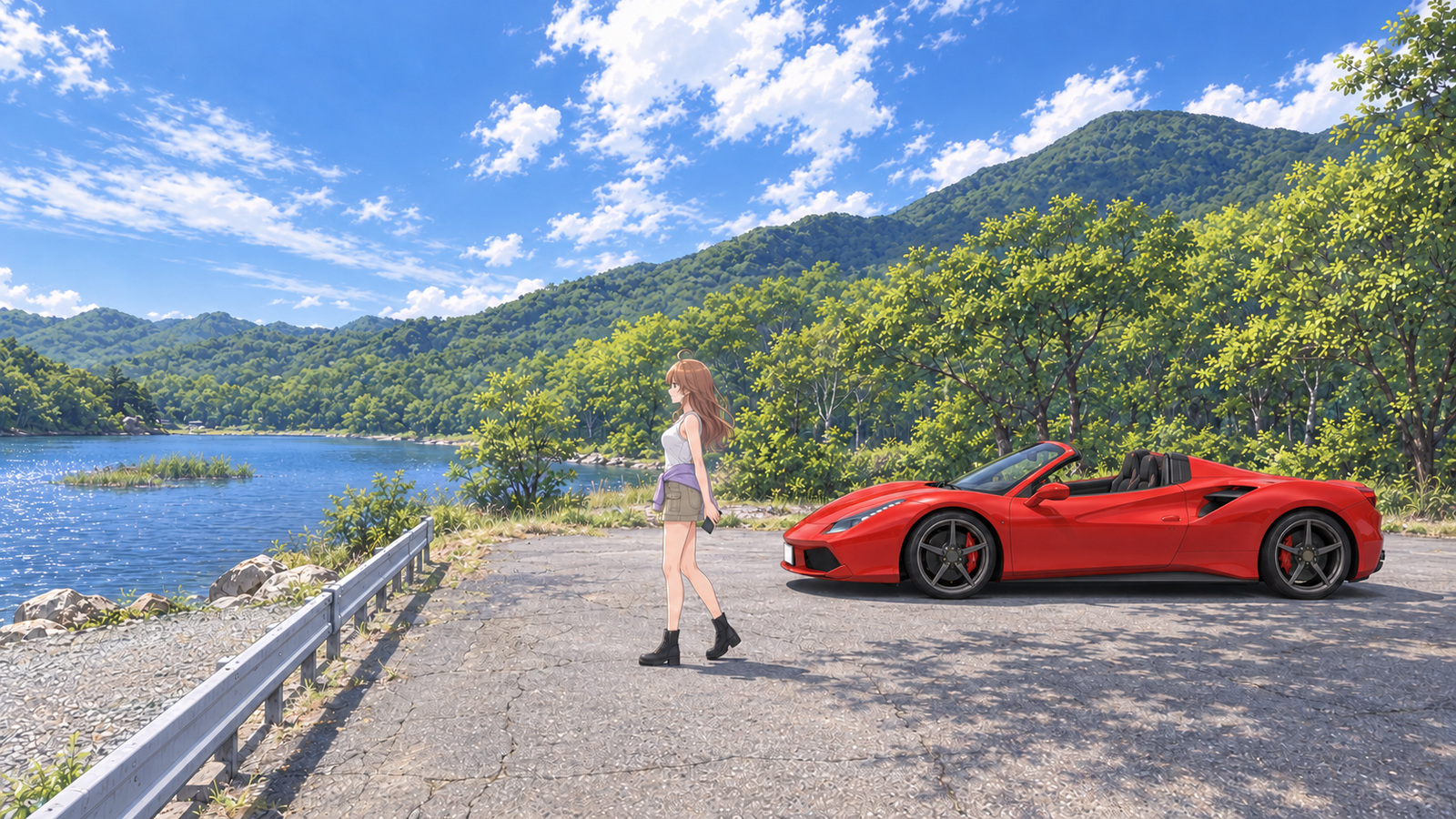
The moment I stepped out of the car, I closed my eyes and let the cool breeze from the lake wash over me. I'd left Tokyo that morning, but it was already hot enough to make my skin sting. This felt like a different world. I'd heard it was about 7–8 degrees cooler than central Maebashi, but the wind against my arms felt colder still. If you're coming in a red convertible, summer might be the best time to visit Mount Akagi.
Once I left the expressway and started up the mountain road, the bends kept winding through shady stretches. I eased off the accelerator before each turn, then gently pressed down again when I could see the exit. With the roof down, I could feel the air temperature change each time. The higher I climbed, the lighter the breeze seemed. The wind kept swallowing up my favourite song, so I turned the volume up one notch at a time. The moment I stopped the music at the lake, the surrounding quiet rushed into my ears.
The mountains across the lake were far leafier than when I'd visited in spring, and the slopes looked darker all the way to their ridgelines. I had my phone out, but I was holding it without even looking at the screen. I tried to take at least one photo, but every time a little wave caught the light, my eyes wandered beyond the frame. I gave up on taking pictures and decided to walk instead.
I lowered my phone and started walking from beside the car. The hem of the jacket tied around my waist brushed lightly against my legs as I walked. My boots tapped on the pavement, and by the quiet lake I could hear every step. Following the guardrail, I found myself closer to the water than I'd been standing beside the car. Only then did I realise how much bigger the lake was than I'd imagined.
They say it takes about 60 minutes to walk all the way around the lake. Part of the route follows the road, so I kept glancing between the water and the way ahead. Near the shore, little waves splashed among the reeds. Every time, I stopped to listen. When clouds covered the sun, the shimmer vanished from the surface; when they moved on, it spread across the lake again. I think my mood rose and fell right along with the light.
The lakeside shops also rent pedal boats and rowboats. Looking out from the shore, I could see the mountain slopes reflected upside down on the water, as if a boat could glide right over them. Half of me wanted to try, and the other half felt a little self-conscious picturing myself pedalling a boat all alone. In the end, I stayed on shore and decided I'd bring someone along next time.
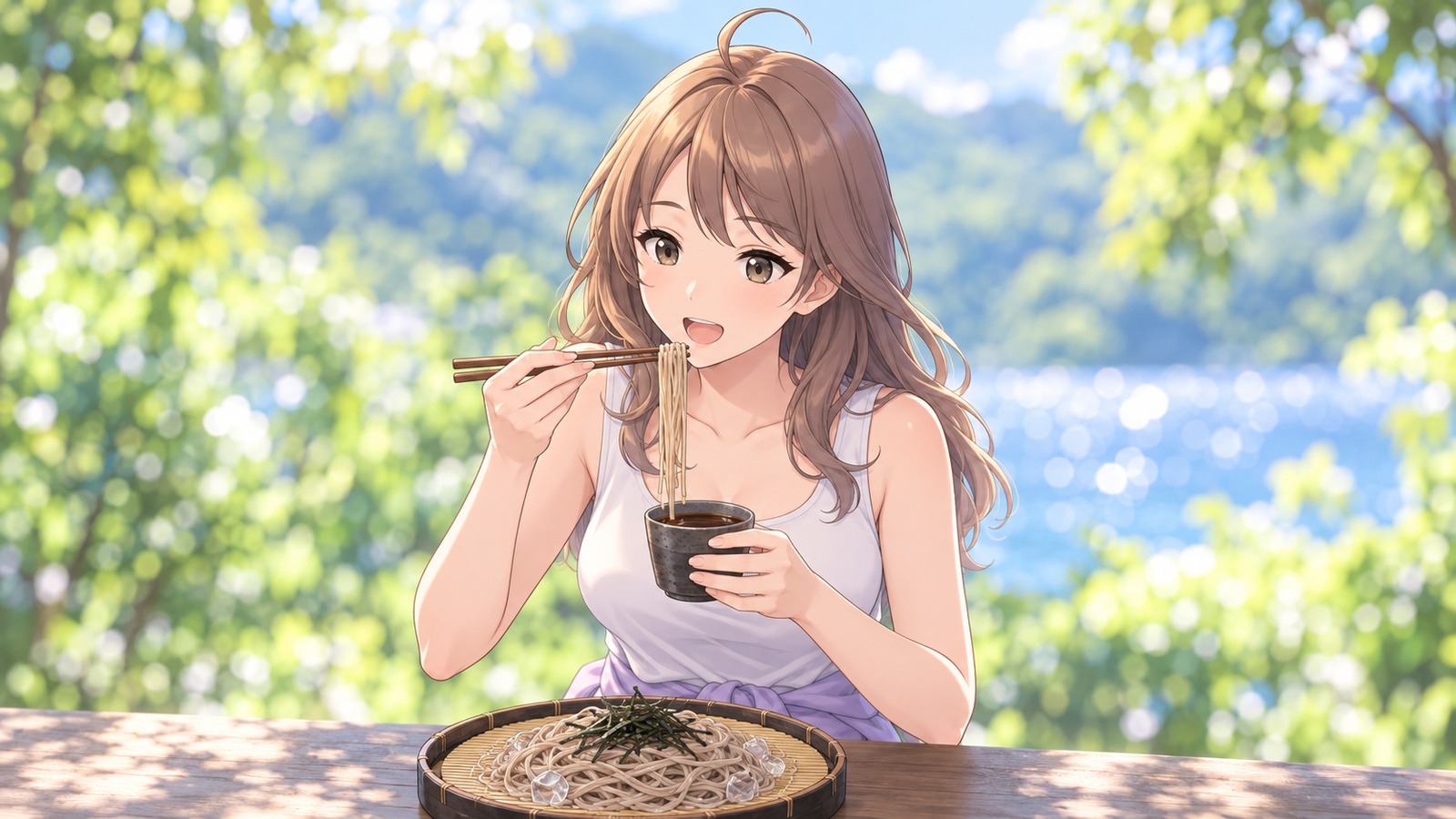
For lunch, I had chilled zaru soba at the shop. The cold noodles slid down easily after my walk in the heat. Every time I dipped them in the sauce and slurped them up, I felt cooler from the inside out. Outside the shop, rows of salt-grilled char were giving off a delicious smoky aroma. I was already full, but I couldn't take my eyes off the browned skin. I made a little promise to myself: next time, I'll have that.
I got back in the car and set off with the roof down. Even after walking the whole loop, I hadn't taken many more photos. But I still remembered the sweep of the mountains and the lake where I'd stopped to listen. With every bend on the descent, a little more of the heat came back. By the time I reached Tokyo, I knew the cool air by the lake would feel like a dream.
AutumnAround mid-October
Fried smelt by the autumn shore, and a little lake seen from Torii Pass
The first bite was still hot. I'd blown on it once and already thought it had cooled down. My cheeks puffed out as I blew on it between little bites, looking up at the slopes covered in autumn leaves just across the lake.
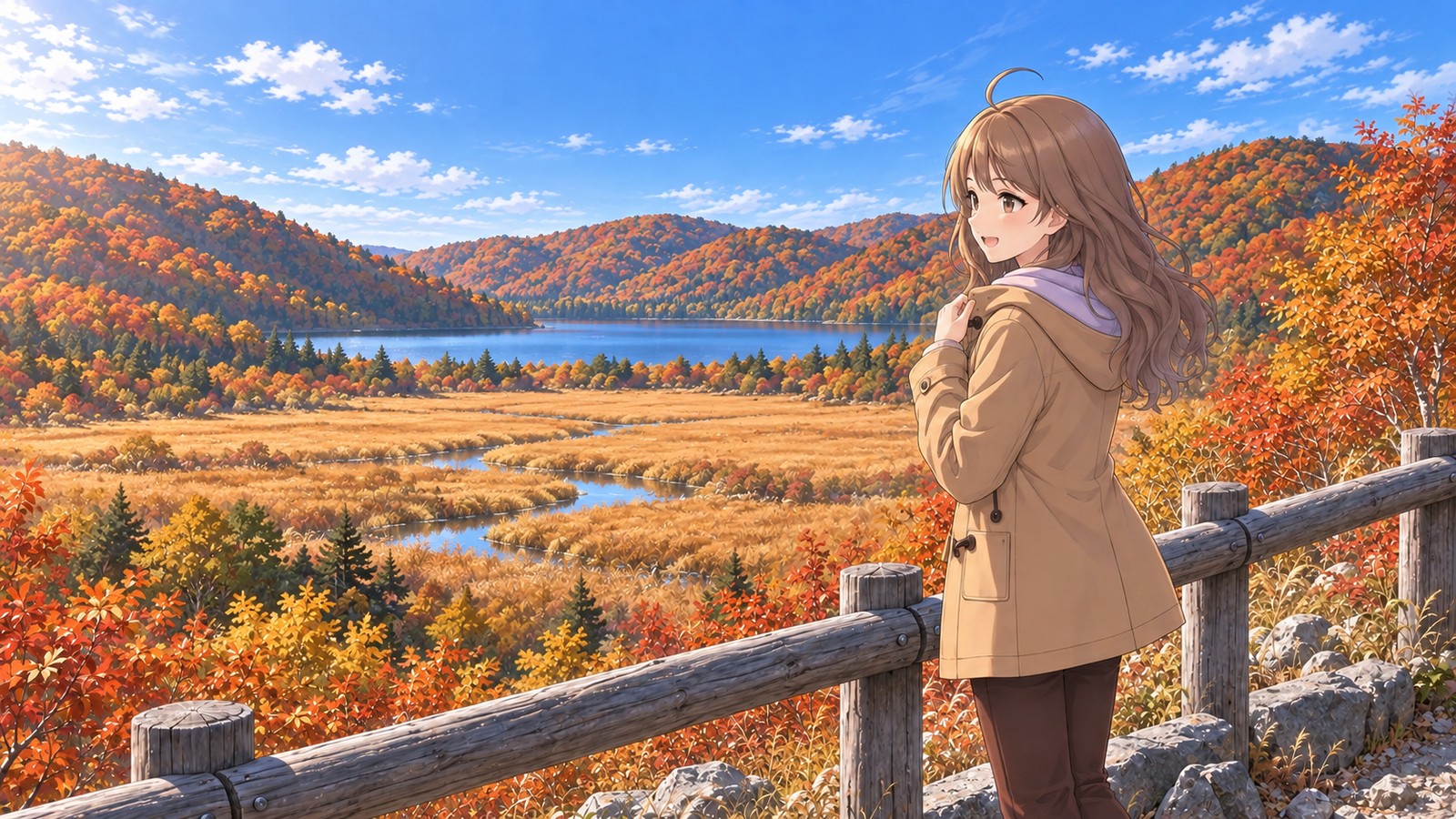
In mid-October, I drove from Tokyo for the day in my red convertible to see the autumn leaves around Lake Onuma. With every climb up the mountain road, the trees beyond the next bend turned a little redder, and I couldn't wait to reach the lake. I made it up the last slope and parked beside the water. When I opened the door, cold air slipped in through the collar of my coat. The engine I'd been listening to a moment before went quiet, leaving only the sound of little waves washing against the shore.
Standing by the lake, the leaves on the mountains looked so close. My gaze travelled slowly down from the distant ridgeline to the slopes that ran all the way to the water. I'd meant to start walking, but the delicious smell of fried food drifted over from a lakeside shop. Before I knew it, I was back beside the car with a paper plate of freshly fried smelt in my hand.
As I lifted the little fish with my chopsticks, I could make out every little crumb in its panko crust. It crackled when I bit in, then the flavour of the fish came through. The smell of freshly fried food was even richer in the cold air. My hand tightened around the paper plate because I wanted to reach for the next one as soon as possible. I'd come to see the autumn leaves; I hadn't expected this bite to become part of the memory, too.
After I'd finished eating, I walked along the lakeshore. Fallen leaves covered the ground, rustling softly underfoot. A slightly different spot along the shore changed how the mountain ridges overlapped. The leaves on Mount Akagi change colour at different elevations, so you can find autumn colour somewhere on the mountain from late September to early November. I knew the colours moved down from the summit, but I hadn't realised the season lasted so long. It felt as if the mountain were handing autumn down from one height to the next. Now autumn had reached the slopes around Lake Onuma.
Before heading home, I stopped by Torii Pass. After a few bends, I parked at the car park beside Kakumanbuchi Marsh. As I walked up to the pass, the wind was a little colder than by the lake, so I buttoned my coat right up to the top. From Torii Pass, at 1390m, I could see Kakumanbuchi and Lake Onuma below. The lake I'd been standing beside just moments earlier looked so small, ringed by autumn-coloured slopes, that I laughed to myself. So that's where I'd been making such a fuss over fried smelt.
Back in the decade from 1955 to 1964, a cable car ran between this pass and Rihei Chaya at the foot of the mountain. I pictured the cars slowly climbing through the autumn-coloured slopes and wondered if people back then had looked down at the same lake from this pass. Suddenly, the past felt close. Apparently, a sea of clouds can appear after rain or on a chilly early morning, so I'd love to come back first thing one day.
Before leaving the pass, I looked at the photo I'd taken there. In the middle of the autumn-coloured slopes, Lake Onuma was a tiny shape. I spread my fingers across the screen to zoom in and tried to find which bit of shore I'd been eating smelt on, but, of course, I couldn't see myself in the picture.

WinterJanuary–February
At snowy Akagi Shrine, I was too busy staring to think of a wish
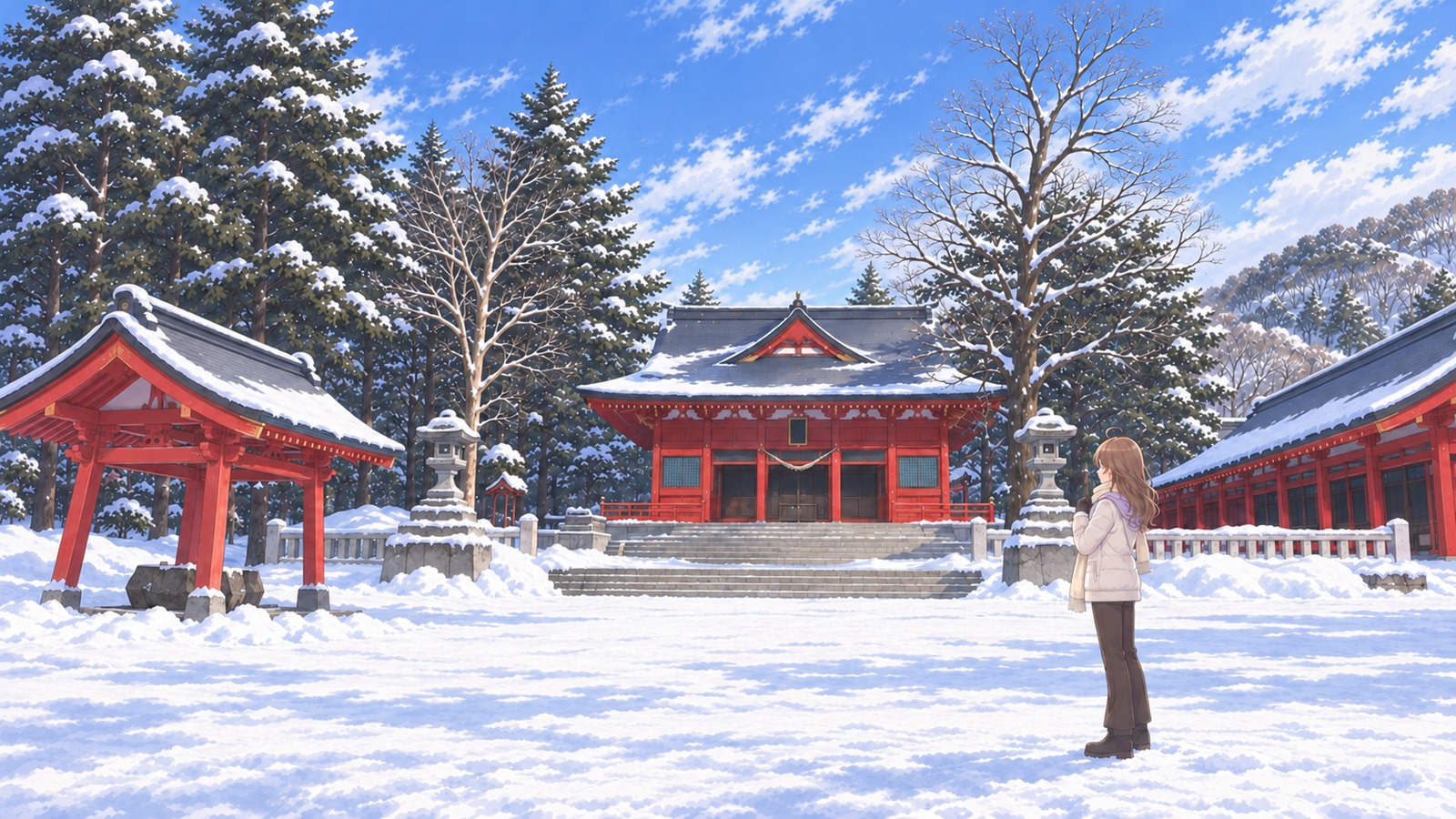
The tyres kept making a soft crunch as they pressed into the snow. In January, I drove from Tokyo for the day because I wanted to visit Akagi Shrine in the snow. Since I'd be driving on snowy roads, I came in my second car, a red four-wheel-drive sedan I'd only just got that autumn. The recommended route up Mount Akagi in winter is Prefectural Route 4, on winter tyres. That's the way I went, too.
On bends where snow remained, I braked early and steered gently. I think the simplest way through snow is to avoid any sudden moves. I could feel through my hands how firmly the four-wheel-drive car's tyres gripped the snow, and the tension I'd been holding in my shoulders eased without me noticing. The higher I climbed, the deeper the snow piled up by the road, and there were hardly any cars coming the other way.
I parked in the car park at Akagi Shrine. I was used to the warmth of the car, so the moment I stepped outside, I hunched my shoulders. I pulled my coat together and drew my scarf up to my mouth. Inside the grounds, I caught sight of the snow-covered roof and the trees beyond it. I forgot about the cold and traced the roof from end to end with my eyes. Patches of snow still clung to the branches. My breath turned white, and beyond it I heard a clump of snow fall from a branch.
Akagi Shrine has a long-standing ritual of offering mirrors, and more than a thousand bronze mirrors have been dedicated there. There's also a legend that Princess Akagi was summoned to Akagi Daimyojin. As I remembered those stories in the grounds, where the snow seemed to have swallowed every sound, the distant past suddenly felt close.
I'd come to pray, but before I could even think of a wish, I was gazing up at the roof and the sky. When I made myself seriously consider what to wish for, the first thing that came to mind was, “I want to come back to Akagi.” What was I doing, asking the gods to help me plan my next visit? I gave myself a little talking-to and tried again.
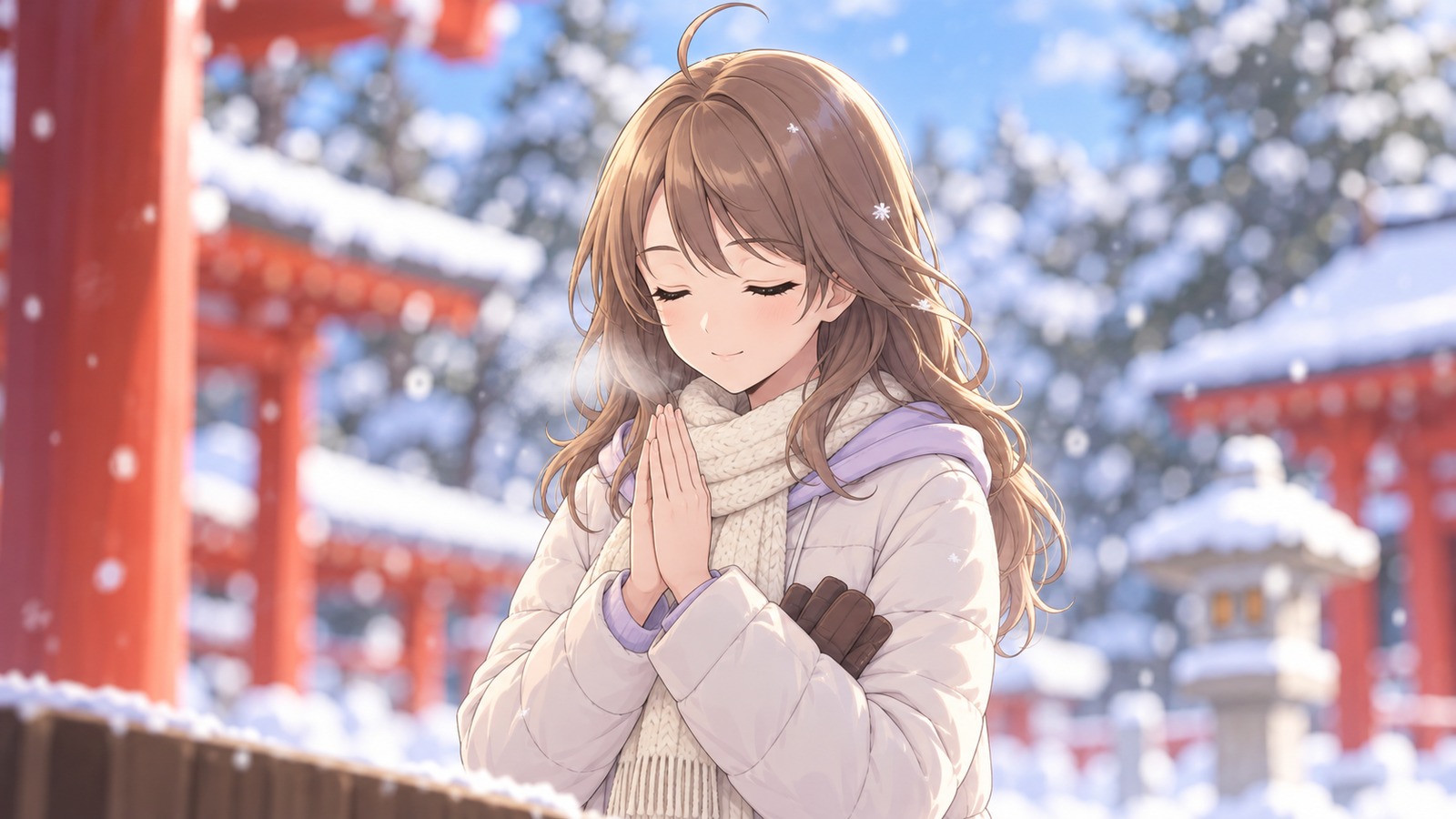
I took off my gloves in front of the shrine building and gently pressed my palms together. My fingertips went cold right away, but I was too busy trying to decide on one wish to care. What I asked for is a secret. When I opened my eyes and looked up, the snowy roof was still right there in front of me. I was glad I'd taken my time getting here today.
As I left the shrine grounds and started walking, the cold air made me crave something warm. This visit to Akagi felt nothing like the day I'd eaten freshly fried smelt there in autumn. I headed for a lakeside shop.
I took off my coat at the shop and ordered miso okkirikomi udon, simmered in a pot. There were wide noodles, carrot, taro, shiitake mushrooms, and spring onion in the earthenware pot. I poured some broth into a bowl and took a sip. The smell of miso rose up, warming even my chilled cheeks. I blew on every mouthful, then drank every last drop of broth. The sun was starting to sink when I stepped outside, so I headed for the car to drive down Prefectural Route 4 while it was still light.

The story sections are fiction inspired by this location. For accurate information, please consult official tourism and information websites.
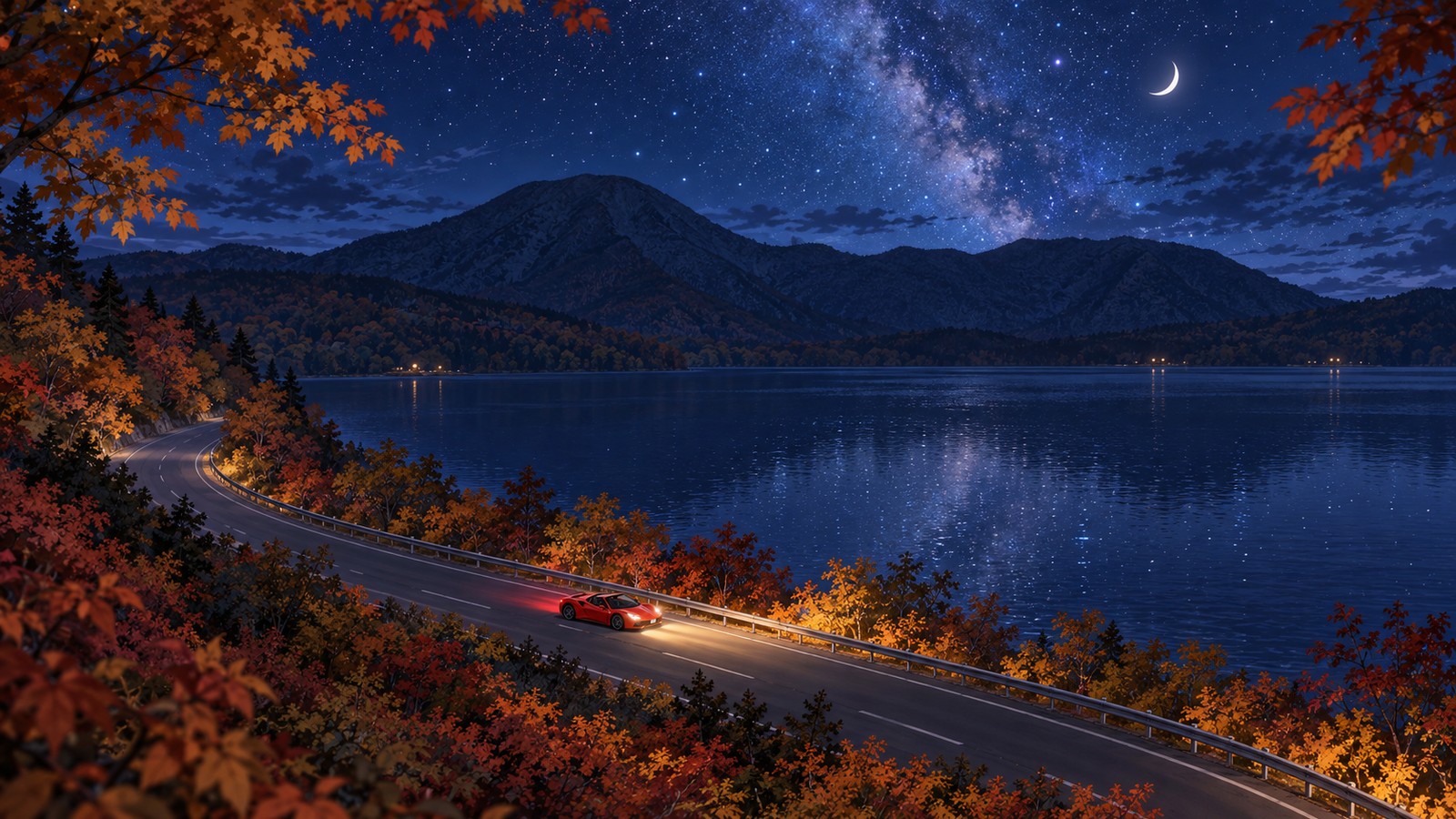
Mount Akagi at night
Photos of this place11 images
-
Maebashi City and Mount Akagi, Gunma Prefecture · Spring
-
Maebashi City and Mount Akagi, Gunma Prefecture · Spring
-
Maebashi City and Mount Akagi, Gunma Prefecture · Summer
-
Maebashi City and Mount Akagi, Gunma Prefecture · Summer
-
Maebashi City and Mount Akagi, Gunma Prefecture · Autumn
-
Maebashi City and Mount Akagi, Gunma Prefecture · Autumn
-
Maebashi City and Mount Akagi, Gunma Prefecture · Winter
-
Maebashi City and Mount Akagi, Gunma Prefecture · Winter
-
Maebashi City and Mount Akagi, Gunma Prefecture · Winter
-
Maebashi City and Mount Akagi, Gunma Prefecture · Mount Akagi at night (Autumn)
-
Maebashi City and Mount Akagi, Gunma Prefecture · Autumn
Local favourites from Mount Akagi
Fried pond smelt
Lake Onuma is known for pond smelt, including winter ice fishing. At the lakeside shops, you can get freshly fried pond smelt. The little fish are eaten whole, head and all, so you hardly notice the bones; before you know it, the plate is empty.
Okkirikomi
This is a local dish long enjoyed in Gunma, one of Japan's wheat-growing regions. Wide noodles go straight into the pot without being boiled first, then simmer with vegetables, warming you right through in a single bowl. At lakeside shops, you can get it simmered in a pot with miso broth.
Yaki-manju
Grilled manju buns are a Maebashi speciality, and you can buy them freshly grilled at the lakeside shop, too. If you have a sweet tooth, one skewer probably won't be enough.
Highlights
Look up at the surrounding slopes from the mountain's summit lake
Lake Onuma is a crater-floor lake formed in a low-lying part of a caldera. From the shore, you look up at the mountain slopes around the lake rather than down at it from above. There's something a little strange about looking up at mountains while you're already high in the mountains.
A prefectural park since 1935
Akagi Prefectural Park was established on 8 February 1935. The entire summit area, including Lake Onuma and the marshes, is part of the park. People have been making the climb to visit this lake for more than 90 years.
Road and walking details
Getting here from Tokyo
- From Tokyo
- About 180kmAbout 2.5 hours by car via the expressway
- Expressway
- Kan-Etsu Expressway
- Nearest interchange
- Akagi InterchangeAbout 25km and about 35 minutes to Lake Onuma
- Route to the summit
- Prefectural Route 4About 50 minutes from Maebashi Interchange
Lake Onuma Lakeside Circuit
- Lake circumference
- 4km
- Lake surface elevation
- 1340m
Once you've parked your car or motorcycle, you can walk around the lake and enjoy the mountain views. A full circuit takes about 60 minutes.
Take Prefectural Route 4 to the summit area. After climbing through the bends, you'll reach the top and find a lake this large opening up before you.
More Spot Guides
If you enjoyed this story, you might like these places too. I've gone back to each of them in different seasons, again and again.
Maps & Sources
Official sources consulted
- Gunma Prefecture (Akagi Prefectural Park) (opens in a new tab)
- Maebashi Tourism and Convention Association (The Four Seasons of Mount Akagi) (opens in a new tab)
- Gunma Tourism Information (Akagi Onuma smelt fishing) (opens in a new tab)
- Maebashi Tourism and Convention Association (Akagi Shrine) (opens in a new tab)
- Maebashi Tourism and Convention Association (Bandi Shiohara) (opens in a new tab)
- Maebashi Tourism and Convention Association (Akagi Onuma smelt fishing) (opens in a new tab)
- Bandi Shiohara (Dining) (opens in a new tab)
- Maebashi City (Map of Mount Akagi) (opens in a new tab)
- Isesaki City (School lunch recipe: okkirikomi) (opens in a new tab)