Sai Village, Aomori Prefecture
A summer drive to Hotokegaura A walk from the roadside parking area to a lookout over the coastal rock formations
Hotokegaura’s unusual rock formations stretch 2km along the coast. On my summer drive to Hokkaido, I stopped at the roadside lookout the day before taking the ferry from Oma to Hakodate and looked down on the shore from a distance. For lunch, I had a Tairyō-don in Sai Village, looking out over the Tsugaru Strait.
Here's the story of my summer afternoon at Hotokegaura and the views I saw there.
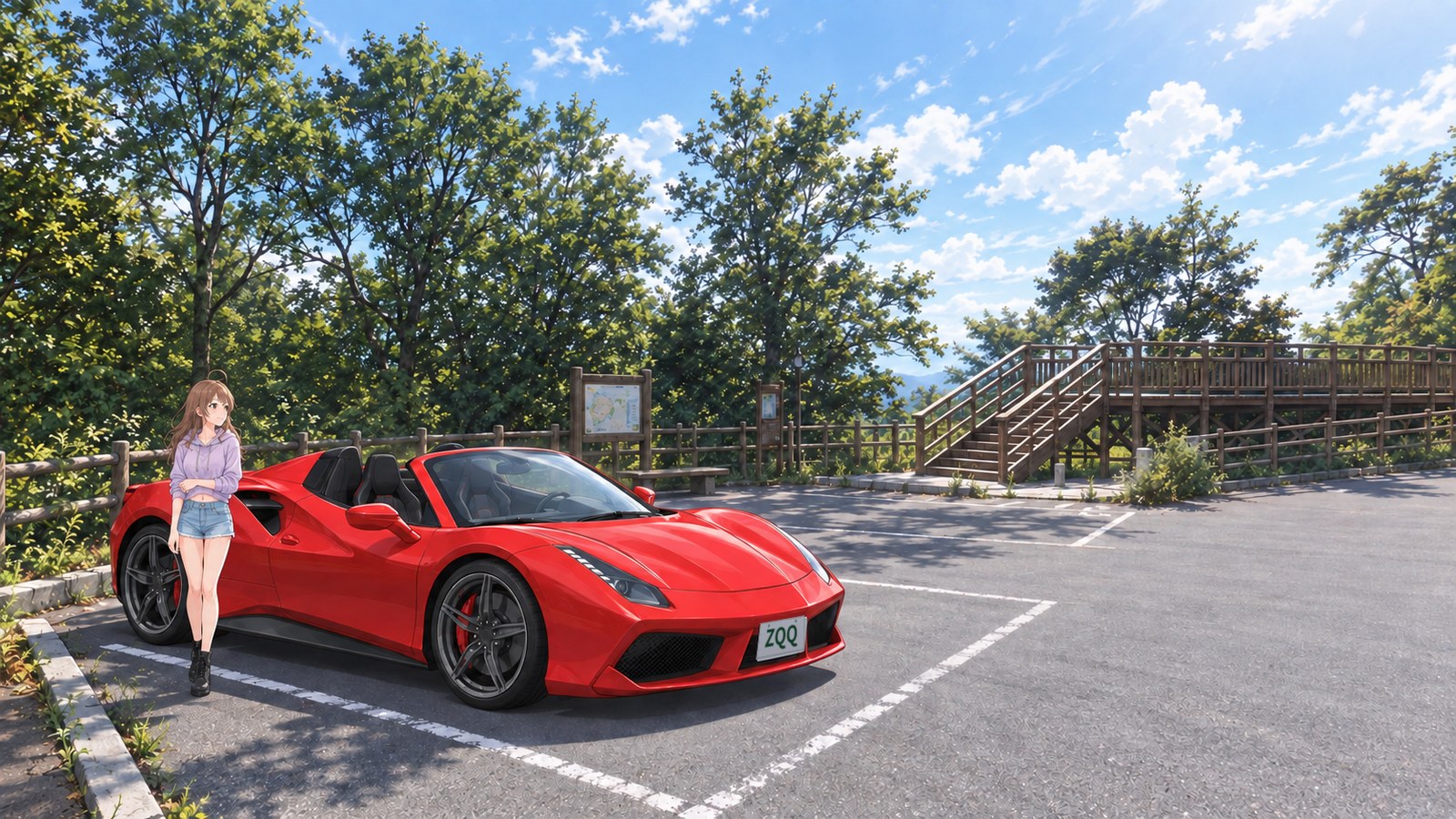
SummerA summer afternoon
A walk from the roadside parking area to a lookout over the coastal rock formations
My summer drive north along the Tohoku coast, which began in Ariake, had finally brought me to the tip of the Shimokita Peninsula. Tomorrow morning, I'd take the car ferry from Oma to Hakodate and drive around Hokkaido. The day before crossing the sea, I decided to follow Route 338 from Oma toward Sai Village and visit Hotokegaura. I'd heard there were no fuel stations between Sai and Kawauchi in Mutsu, so I filled up before setting off and bought a cold bottle of tea, too.
The coastal road had bend after bend, and my hands were busy turning the wheel one way, then the other. With the top down, a breeze carrying the scent of salt streamed into the car, and that alone made me feel I'd come a long way. For lunch, I stopped at Manjuya, a restaurant on the second floor of Arusasu in Sai Village. I ordered a Tairyō-don, a bowl piled with seafood from local waters, and the Tsugaru Strait opened up beyond the big window.
The seafood in the bowl changes with the season and that day's catch, I was told. Before I even picked up my chopsticks, I leaned in to see what was in it. Each bite carried the scent of the sea. I kept glancing between my food and the water beyond the window, thinking I'd be crossing this strait by boat tomorrow morning.
That afternoon, I drove farther south than Sai Port and parked my red open-top car in a roadside parking area. Summer trees surrounded the spot, and from beside the car I still couldn't see the rocks on the shore I'd come to see. I straightened the cuffs of my hoodie and set off toward the lookout.
From the lookout, I could see pale rocks rising in a row beside the sea through a gap in the trees. It was just as I'd often read: ivory-coloured rock formations against an emerald-green sea. Even from a distance, it was clear these were no ordinary beach rocks. I leaned over the railing and traced the line of rock formations along the shore, one by one.
The rocks at Hotokegaura are made of tuff, formed from hardened volcanic ash. I'd heard they were created in an eruption beneath the sea about 4 million years ago, then slowly worn into their present shapes by waves, rain and winter cold. I used to think huge rocks stayed the same forever, but here, they're still changing.
Some rock formations along the shore have Buddhist-inspired names, such as the Five Hundred Arhats and Mount Hōrai. I'd heard the rock formation known as the Five Hundred Arhats has a complex, twisting shape and that Mount Hōrai still shows marks left by rainwater. From up here, I couldn't tell which rock was which, but I spotted several with vertical streaks and wondered whether those marked the path rainwater had taken. I also heard stories that the dead stop here on their way to the afterlife or back from it, and that locals cherish a Jizō statue that washed ashore as a guardian of the sea. That story made me lower my voice as I looked out over the coast again.
The trail down to the shore is a 20–30-minute walk, with a steep uphill climb on the way back, according to the Sai Village Tourism Association's guide. Since I was crossing the sea first thing tomorrow morning, I decided to take in the whole coastline from the lookout today and leave the up-close view of the rocks for another time, when I could take a sightseeing boat from Sai Port that takes about 30 minutes to reach Hotokegaura. I wonder how big the rocks that looked so distant a moment ago would seem from the water.
Back at the car, I checked how much fuel I had left, then followed the coastal road back toward Oma. Once I reached my accommodation, I planned to get ready for tomorrow's ferry and turn in early.
The story sections are fiction inspired by this location. For accurate information, please consult official tourism and information websites.
Local specialty
Seafood rice bowl in Sai Village
Manjuya serves a Tairyō-don rice bowl topped with local seafood. I had one for lunch before heading to the lookout, savouring each bite with the Tsugaru Strait spread out beyond the window.
Highlights
Tuff that nature keeps reshaping
Hotokegaura's unusual rock formations are made of tuff, formed when volcanic ash hardened. I heard that waves, rainwater, and water that seeps into the rocks and freezes in winter have gradually shaped them into what they are today. Thinking of all the time behind the shapes I saw from afar made it hard to look away.
Buddhist-named rocks and local legends
The rocks have names linked to Buddhism. There's also a local tale that the dead stop here on their way to and from the afterlife. That story came back to me as I looked at the coast again, and I found myself falling quiet.
Road information
Coastal road to the Hotokegaura lookout
- Trail down to the coast
- 20–30 minutes one way
- Elevation change on the trail
- about 100m
Leave the car in the roadside parking area and walk to the lookout. The line of rocks I couldn't see beside the car came into view at the water's edge as soon as I reached the deck.
On this trip, I stayed above the shore and took in Hotokegaura from the roadside lookout. I saved the trail down to the coast and a boat ride up close to the rocks for another time.
More Spot Guides
If you enjoyed this story, you might like these places too. I've gone back to each of them in different seasons, again and again.
Maps & Sources
Official sources
- Aomori Prefecture Tourism Information (Hotokegaura) (opens in a new tab)
- Sai Village Tourism Association (Hotokegaura and the roadside lookout) (opens in a new tab)
- Shimokita Geopark (Hotokegaura area) (opens in a new tab)
- Sai Village Tourism Association (Manjuya restaurant) (opens in a new tab)
- Hotokegaura Marine Tourism (the trail down to Hotokegaura) (opens in a new tab)